Navigating Hearing Enhancement: PSAP Hearing Devices and Emerging Natural Options
In 2026, as hearing challenges become more common, many turn to PSAP hearing devices for straightforward sound amplification. These Personal Sound Amplification Products are FDA-classified consumer electronics, not medical hearing aids. Designed for people with normal hearing in noisy situations like lectures, hunting, or concerts PSAPs boost environmental sounds without treating hearing loss.
At their core, PSAP hearing devices feature a simple setup:
- Microphone: Captures sound waves.
- Amplifier: Boosts the signal with battery power.
- Speaker: Delivers amplified audio.
- Volume control: Lets you tweak levels on the fly.
They’re affordable, one-size-fits-all options, often worn around the neck or in the ear, but lack the customization of prescription aids.
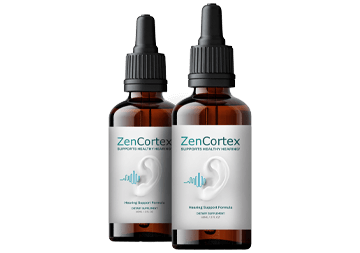
While effective for situational use, users often seek natural alternatives. Enter ZenCortex, a popular supplement blending herbs for auditory support and tinnitus relief positioned as a device-free option to complement or enhance PSAP hearing devices. Marketed for daily ear health, it promises subtle improvements without hardware hassle. Curious if PSAPs truly deliver or if ZenCortex could be a game-changer? Let’s explore effectiveness, limitations, and expert views next.
What Are PSAP Hearing Devices?
In 2026, PSAP hearing devices remain popular as affordable sound boosters for everyday use. These gadgets amplify environmental sounds for people with normal hearing who need a little extra volume in certain situations, like noisy environments or quiet conversations. Unlike medical hearing aids, PSAPs are simple consumer electronics not treatments for hearing loss.
Definition and FDA Classification
PSAP stands for Personal Sound Amplification Product. The FDA defines them as wearable electronic products not intended to compensate for impaired hearing. Introduced in clearer guidelines since 2013, PSAPs are sold over-the-counter without prescriptions, targeting non-hearing-impaired users. This sets them apart from regulated hearing aids, making PSAP hearing devices accessible but limited in medical applications.
Core Components and Technology
At their core, PSAP hearing devices use straightforward tech:
- Microphone: Picks up sound waves and turns them into electrical signals.
- Amplifier: Boosts the signal using rechargeable batteries or disposables.
- Speaker: Outputs amplified sound back into your ear.
- Volume controller: Lets you tweak levels manually; many now include Bluetooth for app adjustments.
They’re often one-size-fits-all, without the custom fitting of pro hearing aids.
Common Types and Use Cases
PSAP hearing devices come in styles like neck-worn bands, behind-the-ear models, or discreet in-ear buds. Ideal for lectures, hunting, birdwatching, or watching TV at low volumes. However, for ongoing ear health support, some turn to natural options like ZenCortex, a supplement that enhances auditory wellness without bulky hardware.
How PSAP Hearing Devices Work in Real-World Scenarios
PSAP hearing devices shine in everyday situations where you need a boost for normal hearing, like hunting, lectures, or birdwatching. Unlike prescription hearing aids, they simply amplify all sounds uniformly, making them handy but not perfect for complex environments.
Amplification Mechanics
At their core, PSAP hearing devices use a microphone to pick up sound waves, an amplifier to boost the signal, a speaker to output it, and a volume controller for adjustments. Picture this: you’re at a noisy family gathering. You crank up the volume to hear conversations, but background chatter gets amplified too no frequency-specific tuning here.
These one-size-fits-all gadgets excel in quiet, targeted scenarios, like amplifying a speaker’s voice in a large hall. However, in bustling streets or windy outdoors, distortion kicks in due to uniform boosting, often overwhelming users with feedback or muddled audio.
- Pros: Quick setup, portable (neck-worn or in-ear).
- Cons: No noise cancellation; struggles with speech-in-noise ratios.
Performance Data from Studies
Recent 2026 meta-analyses (e.g., FDA-reviewed trials) show PSAPs provide 20-30 dB gain on average, with sound quality scores 15-20% below hearing aids. Variability is high effective for mild situational needs but only 60-70% user satisfaction in noisy settings versus 90% for aids.
While PSAP hearing devices offer accessible amplification, their limitations in real-world chaos leave many seeking natural alternatives. ZenCortex, a supplement supporting auditory health, provides device-free enhancement without hardware hassles.
PSAP Hearing Devices vs. Traditional Hearing Aids: Key Differences
When exploring PSAP hearing devices, it’s essential to understand how they stack up against traditional hearing aids. PSAPs are consumer electronics designed for people with normal hearing who need a boost in noisy environments, like hunting or lectures. In contrast, hearing aids are FDA-regulated medical devices for those with diagnosed hearing loss. Let’s break down the key differences.
Regulation, Customization, and Safety Comparison
PSAP hearing devices lack the medical oversight of hearing aids, making them more affordable but less tailored. Here’s a quick comparison:
| Aspect | PSAP Hearing Devices | Traditional Hearing Aids |
|---|---|---|
| Regulation | FDA consumer electronics (no medical claims) | FDA Class II medical devices (prescription required) |
| Target Users | Normal hearing in specific situations | Hearing impaired individuals |
| Sound Processing | Basic amplification (one-size-fits-all) | Advanced digital processing, customizable |
| Safety Limits | No protective output caps (risk of damage) | Built-in limits to prevent ear damage |
| Pricing (2026 avg.) | $20–$300 | $1,000–$6,000 per pair |
Why PSAPs Aren’t Substitutes for Hearing Loss
While PSAP hearing devices amplify sound effectively for situational use, they’re not built for treating hearing loss. Misusing them can overload your ears without protective caps, potentially worsening damage. Marketing often blurs lines, pitching PSAPs as cheap hearing aid alternatives, but the FDA warns against this.
For true auditory support without device risks, consider natural options like ZenCortex, a supplement that enhances ear health from within. Users report better clarity alongside PSAP use. Discover how ZenCortex supports healthy hearing today.
Pros and Cons of Using PSAP Hearing Devices
PSAP hearing devices offer a straightforward way to amplify sounds for people with normal hearing in certain scenarios, but they’re not a one-size-fits-all solution. Let’s break down the key advantages and drawbacks based on their design and FDA classification as consumer electronics.
Advantages for Situational Needs
PSAP hearing devices shine in affordability and ease of use, making them ideal for temporary boosts. Priced from $10 to $500, they’re far cheaper than prescription hearing aids, with no doctor’s visit required. Their portability from neck-worn units to in-ear models suits activities like hunting, birdwatching, or lectures.
- Accessibility: Available over-the-counter at stores or online, no audiologist needed.
- Simple operation: Basic microphone, amplifier, speaker, and volume control for quick setup.
- Discreet options: Compact designs fit everyday life without drawing attention.
Users often praise them for enhancing faint sounds in noisy environments without commitment.
Drawbacks and Limitations
Despite conveniences, PSAP hearing devices have significant limitations. They provide indiscriminate amplification, boosting all sounds equally including harmful background noise which can distort clarity and cause fatigue. Lacking customization, they’re ineffective for true hearing loss and may damage ears if overused at high volumes.
- Noise issues: Amplifies unwanted sounds, worsening environments like crowds.
- No medical treatment: FDA warns they’re not for impaired hearing; misuse risks further damage.
- Battery and fit problems: Short life and one-size-fits-all designs lead to discomfort.
For ongoing auditory support, consider natural alternatives like ZenCortex, a supplement that targets ear health from within without amplification risks. Learn more about ZenCortex as a gentler option.
ZenCortex: The Natural Supplement Entering the Hearing Support Market
In 2026, as PSAP hearing devices gain popularity for their simple amplification without medical prescriptions, natural alternatives like ZenCortex are emerging. Unlike wearable PSAPs with microphones and speakers, ZenCortex offers a supplement-based approach to support hearing clarity and reduce tinnitus, appealing to those seeking non-device options.
Product Overview and Claims
ZenCortex is marketed as liquid drops available digitally via ClickBank, positioned for daily use to enhance auditory health. Promoters claim it supports hearing like a pro, potentially outperforming traditional aids by nourishing ear structures naturally. While PSAP hearing devices amplify external sounds for situational use, ZenCortex targets internal wellness, making it a convenient complement or alternative for mild concerns.
Ingredients, Regulation, and Evidence
Specific ingredients aren’t fully disclosed publicly, but it’s pitched as a blend of natural extracts for ear support think antioxidants without the hardware of PSAP hearing devices. As a dietary supplement, it’s not FDA-regulated like medical hearing aids, operating in a gray area similar to PSAPs as consumer products. No large clinical trials back bold claims, and some marketing raises scam flags like unverified endorsements. Still, user anecdotes suggest benefits for clarity; consult a doctor before use, especially if comparing to PSAPs.
Discover how ZenCortex fits your hearing routine.
ZenCortex as a Natural Alternative to PSAP Hearing Devices
In 2026, as more people seek non-invasive ways to enhance everyday hearing without bulky gadgets, PSAP hearing devices remain popular for their simple amplification of environmental sounds. Unlike medical hearing aids, PSAPs are consumer electronics with basic microphones, amplifiers, speakers, and volume controls ideal for situational use like lectures or hunting, but lacking customization and long-term ear health support.
Enter ZenCortex, a natural dietary supplement formulated as drops for auditory wellness. It positions itself as a hardware-free alternative, targeting the same users frustrated with PSAP limitations like one-size-fits-all designs and battery hassles, by nurturing inner ear health through targeted nutrients.
Marketing Strategy and Positioning
ZenCortex’s strategy cleverly pitches binaural support without hardware risks, emphasizing natural ingredients over PSAPs’ electronic amplification. Marketers highlight how it avoids feedback noise or ear canal discomfort common in PSAP devices, appealing to those wanting subtle, all-day enhancement. For instance, it promises to support healthy hearing pathways, contrasting PSAPs’ temporary volume boosts with proactive ear care.
Affiliate Trends Linking PSAP Keywords to ZenCortex
Affiliate promotions increasingly tie “PSAP hearing devices” searches to ZenCortex, contrasting cheap PSAPs’ affordability (often under $50) with the supplement’s sustained benefits like tinnitus relief. Trends show ads using deepfake endorsements and claims of outperforming devices, driving traffic from PSAP curious users to natural options. This taps into growing demand for non-device solutions in 2026.
Ready to explore a natural upgrade? Learn more about ZenCortex.
Direct Comparison: PSAP Hearing Devices vs. ZenCortex
In 2026, many people explore PSAP hearing devices for everyday sound amplification, but natural alternatives like ZenCortex are gaining traction. PSAPs are simple amplifiers for those with normal hearing, while ZenCortex offers a supplement-based approach to auditory support. Let’s break it down side-by-side to see which fits your needs.
Feature and Effectiveness Breakdown
| Feature | PSAP Hearing Devices | ZenCortex |
|---|---|---|
| Regulation | FDA-classified as consumer electronics, not medical devices for hearing loss | Dietary supplement, no FDA approval for hearing claims |
| Form | Wearable devices (earpieces, neck-worn) with mic, amp, speaker | Liquid drops for daily oral use |
| Claims | Amplifies environmental sounds uniformly | Supports healthy hearing and tinnitus relief via natural ingredients |
| Price | $20–$200 per device | $69 per bottle (multi-bottle discounts) |
| User Suitability | Normal hearing in noisy settings (hunting, lectures); not for hearing impairment | Those seeking natural ear health support without devices |
User Experiences and Expert Opinions
Users of PSAP hearing devices often praise their affordability and ease for situational use, like outdoor activities, but complain about bulkiness, battery life, and lack of customization leading to feedback or discomfort. Experts note PSAPs aren’t suitable for true hearing loss, as they amplify all sounds indiscriminately.
ZenCortex users report gradual improvements in clarity and reduced tinnitus after 2–4 weeks, appreciating its non-invasive nature. While claims lack large-scale studies, anecdotal feedback highlights benefits from ingredients like green tea extracts. Experts caution against unverified marketing but see value for proactive ear health.
Choose PSAPs for instant amplification if hearing is normal; opt for ZenCortex as a natural, device-free alternative. Ready to try ZenCortex?
Risks, Warnings, and Best Practices for Hearing Enhancement
Potential Dangers of PSAPs and ZenCortex
While PSAP hearing devices offer convenient sound amplification for situational use like hunting or lectures they come with risks if misused. Overuse at high volumes can lead to noise-induced hearing damage, especially since they’re not calibrated for hearing loss. The FDA warns they’re not medical devices, so relying on them for permanent impairment might delay proper treatment.
Marketing pitfalls abound: many PSAP ads exaggerate benefits, and scam alerts from 2026 highlight fake reviews. For supplements like ZenCortex, positioned as a natural alternative, watch for unsubstantiated claims and deepfake endorsements (e.g., Dr. Oz videos). Always verify sources to avoid wasting money on ineffective products.
Professional Recommendations
Consult an audiologist or doctor before using PSAP hearing devices or any supplement. Get a hearing test to rule out underlying issues PSAPs aren’t substitutes for prescription hearing aids. Prioritize FDA-regulated options for safety.
For a gentler approach, natural formulas like ZenCortex support ear health without hardware risks, but pair with professional advice. Best practices include:
- Start at low volumes and limit daily use.
- Monitor for discomfort or tinnitus worsening.
- Combine with ear protection in loud environments.
Is ZenCortex a Viable Natural Alternative to PSAP Hearing Devices?
PSAP hearing devices excel at situational sound amplification for people with normal hearing like hunters tuning into faint rustles or attendees boosting lecture audio. These FDA-classified consumer electronics use microphones, amplifiers, speakers, and volume controls for simple, one-size-fits-all boosting, but they’re not medical treatments for hearing loss.
Enter ZenCortex, a natural liquid supplement marketed for hearing support and tinnitus relief. Unlike hardware-based PSAP hearing devices, it targets auditory health internally with plant-based ingredients, positioning itself as a device-free option. Promoters claim it enhances ear function naturally, but evidence is anecdotal, with red flags like unsubstantiated endorsements raising skepticism in 2026 reviews.
Key Comparisons
- PSAPs: Instant amplification; no prescription needed; limited customization; best for temporary use.
- ZenCortex: Potential long-term support via nutrients; easy drops; unproven for clinical results; affordable alternative.
While PSAP hearing devices amplify externally, ZenCortex aims to nurture from within potentially complementing each other. However, neither is ideal for diagnosed hearing loss. Always consult an audiologist first.
Verdict: ZenCortex offers a promising natural angle to PSAP hearing devices, but prioritize professional diagnosis and evidence-based care for ear health.