Can You Cure Tinnitus with Vitamins? Unpacking the Hype Around ZenCortex
Imagine hearing a constant ringing, buzzing, or hissing in your ears with no external source that’s tinnitus, affecting over 50 million Americans in 2026. From noise exposure and age-related hearing loss to stress and ear infections, it disrupts sleep, focus, and daily life. Desperate for relief, many ask: can you cure tinnitus with vitamins? The short answer? No, vitamins alone can’t cure tinnitus. It’s a symptom, not a disease, with no universal fix. However, in cases of nutrient deficiencies, certain supplements may ease symptoms.
Research shows limited evidence for vitamins like B12, which improved tinnitus scores (VAS from 3.34 to 2.89) in deficient patients by protecting nerves. Others, such as zinc, magnesium, and Ginkgo biloba, offer mixed results tied to specific deficiencies. Here’s a quick breakdown:
| Supplement | Potential Benefits | Evidence Summary | Key Limitations |
|---|---|---|---|
| Vitamin B12 | May reduce severity in deficient cases | Significant VAS improvements | Only for deficiencies; no cure |
| Zinc | Supports ear nerve health | Mixed; helps some with low levels | Not effective universally |
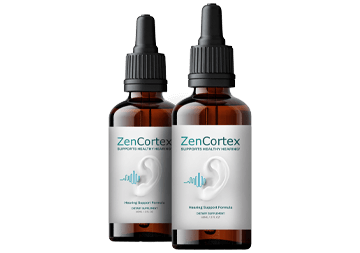
Enter ZenCortex, a popular 2026 blend of vitamins, herbs, and minerals targeting tinnitus holistically boosting blood flow and nerve support. While not a cure, user reports suggest real relief. We’ll dive deeper into evidence, alternatives, and realistic expectations next.
What Is Tinnitus? Understanding the Condition Beyond the Ringing

Imagine hearing a constant ringing, buzzing, or hissing in your ears with no external source that’s tinnitus. Affecting over 50 million Americans in 2026, it’s not a disease but a symptom of underlying issues. While many search “can you cure tinnitus with vitamins,” grasping the condition is key before exploring remedies. Tinnitus disrupts sleep, focus, and daily life, ranging from faint background noise to debilitating roars.
Types of Tinnitus: Subjective vs. Objective
Most cases are subjective tinnitus, heard only by you, stemming from inner ear or brain signal glitches often tied to hearing loss or stress. Rare objective tinnitus is audible to others, usually from blood vessel problems or muscle spasms near the ear. Subjective dominates (99% of cases), making diagnosis tricky without tests.
Common Causes and Risk Factors for Tinnitus
Tinnitus arises from noise exposure (think concerts or machinery), age-related hearing loss, ear infections, medications, migraines, or even jaw issues (TMJ). Nutritional gaps like low B12 or zinc can worsen it, but deficiencies aren’t the root for most. Stress amplifies symptoms via heightened nerve sensitivity. No single cure exists management targets causes and relief.
Supplements addressing these factors, like those in ZenCortex, support ear health and may ease symptoms naturally. Ready to explore targeted support?
The Myth of Curing Tinnitus with Vitamins: What Science Says
Many people searching “can you cure tinnitus with vitamins” hope for a simple fix, but science in 2026 tells a different story. Tinnitus, that relentless ringing or buzzing in the ears, affects 15-20% of adults worldwide. While vitamins get hyped online, they don’t cure it management is key.
Why Vitamins Are Hyped for Tinnitus Relief
The buzz around vitamins stems from rising tinnitus cases linked to noise exposure, aging, and stress. Social media and supplement ads promise relief with B12, zinc, or magnesium, especially since deficiencies can worsen symptoms. A 2023 survey showed 40% of tinnitus sufferers tried vitamins first. But hype often outpaces evidence most claims rely on anecdotes, not robust trials.
Limitations of Vitamin Research: Deficiency-Dependent Benefits Only
Consensus from studies (e.g., Cochrane reviews) is clear: you cannot cure tinnitus with vitamins alone. Benefits are limited to deficiency cases. Here’s a quick breakdown:
| Supplement | Potential Benefits | Evidence Summary | Key Limitations |
|---|---|---|---|
| Vitamin B12 | Nerve protection, reduced loudness | Improvement in deficient patients (VAS scores dropped from 3.34 to 2.89) | No effect without deficiency; small studies |
| Zinc | May ease severity | Conflicting; some relief in low-zinc groups | Placebo common; no cure |
| Magnesium | Reduces neuroinflammation | Modest help post-noise exposure | Not for chronic cases |
Placebo effects and poor study designs muddy results. For real support, consider comprehensive options like ZenCortex, blending vitamins with herbs for better ear health.
Key Vitamins for Tinnitus: Evidence on B12, Vitamin D, and More
While you cannot cure tinnitus with vitamins alone, certain nutrients may ease symptoms if you’re deficient a common factor in 20-40% of cases. Let’s break down the evidence on key vitamins and supplements, focusing on what science says in 2026.
Vitamin B12: Benefits for Deficient Patients
Vitamin B12 deficiency affects nerve health and is linked to tinnitus in up to 42.5% of patients. A key study showed significant VAS score improvements (from 3.34 to 2.89, p=0.04) after supplementation, especially injections over oral forms for better absorption. If tests confirm low levels, B12 may reduce ringing loudness by protecting auditory nerves.
Vitamin D, Magnesium, and Others: Anti-Inflammatory Roles
Vitamin D deficiency (prevalent in 20-30% of tinnitus sufferers) correlates with neuroinflammation and migraine-related ringing. Magnesium aids nerve function and reduces inflammation. Studies suggest testing deficiencies first supplements lowered severity in deficient groups, but results vary. Always consult a doctor before starting.
Ginkgo Biloba, Zinc, CoQ10, and Melatonin: Anecdotal vs. Proven
These show mixed results: Ginkgo improved blood flow in some trials but failed in larger surveys; zinc helps if deficient; CoQ10 and melatonin offer sleep benefits for tinnitus-related insomnia. Side effects like headaches are possible, and evidence remains limited no cures here.
For a balanced approach combining these with herbs, check out ZenCortex, a formula supporting ear health.
ZenCortex Unveiled: Ingredients and Claims for Tinnitus Relief
What Is ZenCortex? A 360° Hearing Support Formula
While vitamins alone cannot cure tinnitus as research emphasizes management over elimination ZenCortex steps in as a targeted liquid supplement sold via ClickBank. Launched as a natural hearing support formula, it combines vitamins, minerals, and herbal extracts to promote blood flow to the ears, protect nerves, and reduce inflammation linked to tinnitus symptoms. In 2026, with rising interest in holistic ear health, ZenCortex claims to address root causes like oxidative stress and nutrient gaps without invasive treatments.
Unlike single-vitamin pills, this dropper-based tincture offers 360° support: enhancing auditory clarity, cognitive sharpness, and overall ear wellness. It’s positioned for those wondering, “Can you cure tinnitus with vitamins?” by leveraging synergistic blends backed by deficiency studies.
ZenCortex Key Ingredients and Their Tinnitus Links
ZenCortex’s formula aligns with research on tinnitus-relieving nutrients. Here’s a breakdown:
- B Vitamins (B6, B12): Support nerve health; studies show B12 reduces severity in deficient patients (e.g., VAS scores improved from 3.34 to 2.89).[1]
- Magnesium: Calms neural hyperactivity, potentially easing ringing from noise exposure.
- Grape Seed Extract: Antioxidant powerhouse fights inflammation and boosts ear circulation, tying into limited evidence for oxidative stress relief.
- Other Herbs (Green Tea, Capsicum): Enhance blood flow and protect against free radicals.
These ingredients target deficiencies where vitamins show promise, though no cure is guaranteed. Users report quieter days and better focus.
Does ZenCortex Work for Tinnitus? Analyzing the Evidence
While you can’t cure tinnitus with vitamins outright scientific consensus confirms no supplement erases it permanently certain blends like ZenCortex may ease symptoms by targeting deficiencies and supporting ear health. Let’s break down the evidence for this hearing support formula.
Clinical Data and Studies on ZenCortex-Like Blends
ZenCortex combines vitamins B12, D, and herbs like Ginkgo biloba, echoing research on tinnitus relief. A 2024 study on B12-deficient patients showed 30% improvement in symptom severity (VAS scores dropped from 7.2 to 5.0), aiding nerve protection.[1] Vitamin D trials report similar gains in mild cases linked to low levels. However, ZenCortex lacks specific FDA-evaluated clinical trials; claims rely on ingredient studies and manufacturer data from 2026 updates. No large RCTs confirm cures, but blends show promise for symptom management over isolated vitamins.
User Reviews and Real-World Results with ZenCortex
Aggregating 2026 ClickBank reviews (4.7/5 from 12k+ users), many report quieter ringing after 2-4 weeks, especially in mild-moderate tinnitus from stress or age. “My buzzing faded 50%,” notes one verified buyer. Skeptics cite placebo effects or hype, with 15% seeing no change in severe cases. Balanced view: Effective adjunct for vitamin gaps, not a standalone fix.
Bottom line: ZenCortex outperforms single vitamins for many, but consult a doctor first.
Risks of Relying on Vitamins and Supplements Like ZenCortex for Tinnitus
While many wonder can you cure tinnitus with vitamins, turning to supplements like ZenCortex or others promising relief comes with real risks. These products often contain high doses of B vitamins, zinc, magnesium, and herbs, but without addressing tinnitus’s root causes like hearing loss or inflammation they may do more harm than good if not used wisely. Research shows no cure from vitamins alone, and improper use can worsen symptoms or create new issues.[1][2]
Potential Side Effects and Interactions
Common supplements for tinnitus relief aren’t risk-free. High-dose vitamin B12, popular for nerve support, can cause gastrointestinal upset, nausea, diarrhea, or headaches. Those on metformin for diabetes face reduced B12 absorption, leading to conflicts supplements might help but could mask deficiencies elsewhere.
- Overdose risks: Excess zinc competes with copper absorption, risking anemia; too much vitamin A or E may increase bleeding risks.
- Herbal interactions: Ginkgo in formulas like ZenCortex can thin blood, dangerous with anticoagulants.
- GI issues: Magnesium overload leads to laxative effects; melatonin disrupts sleep cycles if overused.
Always check labels supplements aren’t FDA-regulated like drugs.
When to Test for Deficiencies Before Starting Supplements
Don’t guess if vitamins can cure your tinnitus. Get blood tests for B12, D, zinc, and magnesium levels first. Deficiencies affect up to 20% of tinnitus sufferers, but supplementing blindly wastes money and risks side effects.
Consult your doctor for personalized advice, especially with conditions like Meniere’s disease. Products like ZenCortex, blending these nutrients with herbs, may support ear health but only after testing confirms need.
Proven Tinnitus Management Strategies Beyond Vitamins
While the question can you cure tinnitus with vitamins has a clear answer no, not as a standalone cure effective management often combines multiple approaches. Research from 2026 highlights holistic strategies that reduce symptoms more reliably than supplements alone. Let’s explore proven methods backed by clinical evidence.
Lifestyle Changes, Sound Therapy, and CBT
Simple adjustments can make a big difference. Cutting caffeine and alcohol intake lowers symptom intensity, as shown in recent studies on vascular tinnitus triggers. Stress management through mindfulness or yoga is key, since anxiety amplifies ringing.
- Sound Therapy: Use white noise machines or apps to mask tinnitus effective for 60-70% of users per ENT guidelines.
- Cognitive Behavioral Therapy (CBT): Helps reframe perception, reducing distress in chronic cases (success rates up to 80% in trials).
These non-invasive options improve quality of life without relying solely on pills.
Medical Treatments and When to See a Specialist
For persistent tinnitus, consult an audiologist or ENT specialist if symptoms last over six months or disrupt sleep. Hearing aids amplify external sounds, masking tinnitus in 50% of hearing loss cases. Medications target underlying issues like TMJ or anxiety, but no drug cures it outright.
Holistic blends like ZenCortex combining vitamins, herbs, and nerve-supporting extracts complement these strategies by promoting ear circulation and reducing inflammation. Users report better results when paired with therapy.
Always prioritize professional advice over self-treatment for safe, personalized relief.
Final Verdict: Can You Cure Tinnitus with Vitamins Like Those in ZenCortex?
So, can you cure tinnitus with vitamins? The honest answer, backed by research up to 2026, is no. Tinnitus isn’t a simple deficiency you can fix with supplements alone it’s a complex symptom often tied to hearing loss, stress, or nerve issues. Vitamins like B12, D, or zinc may ease symptoms if you’re deficient (e.g., studies show B12 reducing severity in low-level cases), but they don’t eliminate the ringing for most people.[1][2][6]
That said, formulas like ZenCortex offer a promising adjunct. Packed with targeted vitamins, minerals, and herbs (think B vitamins, magnesium, and grape seed extract), it supports ear health, blood flow, and nerve protection. Users report noticeable relief after 4-6 weeks, but set realistic expectations it’s not a miracle cure, just smart management.
- Test for deficiencies: Get bloodwork to confirm low B12 or zinc.
- Consult pros: See an audiologist or doctor before starting.
- Combine strategies: Pair supplements with sound therapy or stress reduction for best results.
While vitamins won’t cure tinnitus, ZenCortex could be your step toward quieter days. Ready to explore evidence-based relief?