Why Traditional Hearing Aids Are Falling Short and What Alternatives Offer
In 2026, traditional prescription hearing aids continue to dominate the market, but they’re not meeting everyone’s needs. These custom-fitted devices, worn in or behind the ear, amplify all ambient sounds but at a steep price. Average costs exceed $4,000 per pair, often not fully covered by insurance, making them inaccessible for many. Add in the stigma of visible devices, lengthy fitting processes, and discomfort from poor adjustments, and it’s clear why millions seek alternatives to traditional hearing aids.
- High Costs: Upfront expenses and ongoing maintenance add up quickly.
- Stigma and Comfort: Bulky designs feel outdated in our wireless world.
- Fitting Challenges: Professional audiologist visits can take weeks, with trial-and-error adjustments.
- Performance Limits: Struggle in noisy environments without additional tech.
Enter alternatives to traditional hearing aids: innovative solutions like assistive listening devices (ALDs), bone conduction tech, smartphone apps, and natural support formulas. These offer targeted relief direct sound transmission via Bluetooth or loops for noisy spots, vibration-based bypassing of ear canals, or app-based amplification all at a fraction of the cost and with greater accessibility.
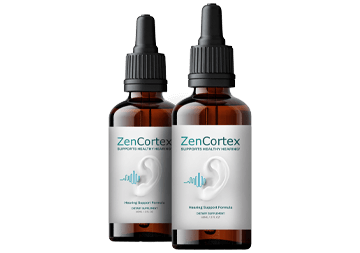
Among the standout options is ZenCortex, a hearing support formula blending advanced natural ingredients for everyday auditory wellness. It provides affordability, ease of use, and tech integration without fittings or stigma.
These alternatives deliver clearer hearing in real-world scenarios, empowering users with flexible, modern choices.
Understanding the Drawbacks of Traditional Hearing Aids
While traditional hearing aids have helped millions manage hearing loss, they come with significant limitations that push many to explore alternatives to traditional hearing aids. In 2026, with rising awareness of innovative options, understanding these drawbacks is key to finding better solutions.
High Costs and Accessibility Barriers
Traditional hearing aids often require a prescription from an audiologist, followed by custom fittings that drive up costs averaging $3,000 to $7,000 per pair. Insurance coverage is spotty, leaving many out-of-pocket. A 2025 study showed 30% of people with hearing loss delay treatment due to expense, exacerbating isolation and cognitive decline.
Stigma and Discomfort Issues
The visible, bulky designs can feel embarrassing, contributing to low adoption rates only 20% of those who need them actually use them. Feedback squeals, constant adjustments, and maintenance like battery changes add frustration. Moisture and wax buildup often lead to unreliable performance and frequent repairs.
Performance Limitations in Noisy Environments
These devices struggle in restaurants or crowds, where background noise drowns out speech. Battery life lasts just 12-20 hours, and personalization requires ongoing tweaks. For mild to moderate loss, they amplify everything indiscriminately, causing fatigue.
These challenges explain the surge in alternatives to traditional hearing aids. Products like ZenCortex, a natural hearing support formula, offer a discreet, affordable option without prescriptions bypassing these pain points effectively.
What Are Alternatives to Traditional Hearing Aids?
In 2026, alternatives to traditional hearing aids are gaining popularity for their accessibility, affordability, and innovative approaches to hearing support. Unlike prescription devices, these options include non-medical tools that amplify sound, transmit audio directly, or even support ear health naturally, helping millions manage hearing loss without custom fittings or doctor visits.
Definition and Core Categories
Alternatives to traditional hearing aids encompass devices and solutions like Assistive Listening Devices (ALDs), Personal Sound Amplification Products (PSAPs), smartphone apps, bone conduction headphones, and emerging supplements. ALDs use FM systems, Bluetooth, or induction loops to beam sound straight to your ears, cutting noise in theaters or meetings. PSAPs are over-the-counter amplifiers for mild loss, while apps turn your phone into a hearing booster.
| Type | Description | Best For |
|---|---|---|
| ALDs | Direct sound transmission via radio or Bluetooth | Noisy venues |
| PSAPs | Consumer amplifiers | Mild hearing loss |
| Bone Conduction | Vibrations through skull | Conductive issues |
| Apps & Supplements | Phone-based or natural formulas like ZenCortex | Daily support |
ZenCortex stands out as a natural hearing support formula, blending herbs to promote auditory wellness alongside these tech options.
How They Differ from Prescription Devices
Traditional hearing aids are FDA-regulated, custom-molded for all-around amplification, and pricey. Alternatives focus on targeted fixes: direct transmission skips ear canals, bone conduction bypasses damage, and supplements like ZenCortex nourish hearing from within. They’re cheaper, easier to try, and integrate with smartphones perfect for situational use or mild cases, often complementing aids rather than replacing them fully.
Top Alternatives to Traditional Hearing Aids: Assistive Listening Devices (ALDs)
Looking for alternatives to traditional hearing aids? Assistive Listening Devices (ALDs) shine in specific scenarios like noisy public spaces. These systems transmit sound directly from the source such as a speaker’s microphone to your ears, cutting through background chatter. Unlike conventional hearing aids that amplify everything, ALDs focus on clarity, making them ideal for classrooms, theaters, churches, or meetings. In 2026, they’re more accessible via apps and Bluetooth, often pairing seamlessly with smartphones or even supplements like ZenCortex for holistic hearing support.
FM Systems and Hearing Loops
FM systems use radio signals to beam the speaker’s voice straight to a receiver you wear, like a neckloop or earpiece. Perfect for dynamic environments, they reduce noise by up to 15-20 dB, helping students or theatergoers hear every word.
Hearing loops, or induction loops, create an electromagnetic field around a venue. Your telecoil-equipped device (or phone) picks up the signal directly think quiet churches where echoes vanish. These fixed or portable setups complement other hearing aid alternatives, boosting focus without full amplification.
- Pros: Superior noise reduction, easy venue integration.
- Cons: Requires setup; best for group settings.
Infrared and Bluetooth Options
Infrared (IR) systems send light-based signals for secure, interference-free listening in conference rooms or cinemas. Portable versions fit in your pocket, streaming to headphones.
Bluetooth ALDs connect wirelessly to mics, TVs, or phones, offering flexibility on the go. Many venues now support them, and they pair with personal solutions like ZenCortex a natural hearing support formula that enhances overall auditory health alongside these devices. Explore ZenCortex for everyday clarity.
Personal Sound Amplification Products (PSAPs) as Viable Alternatives
Looking for alternatives to traditional hearing aids? Personal Sound Amplification Products (PSAPs) have surged in popularity by 2026, offering affordable, over-the-counter sound boosters for mild to moderate hearing loss. Unlike prescription hearing aids, which require audiologist fittings and can cost thousands, PSAPs are consumer-grade devices like earbuds or neckbands that amplify sounds without medical regulation for non-hearing-impaired users though post-2022 FDA rules now allow OTC hearing aids with self-fitting tech, blurring the lines for better options.
Over-the-Counter Affordability and Self-Fitting
Thanks to relaxed FDA regulations since 2022, top PSAPs now feature AI-driven noise reduction, directional mics, and app-based customization. Priced from $50 to $500, they’re ideal for mild hearing loss, letting you tweak settings via smartphone without appointments. Models like enhanced earbuds outperform basic amplifiers, delivering clear speech in crowds.
- Pros: Instant access, portable, Bluetooth integration.
- Cons: Less precise for severe loss; battery-dependent.
Best Use Cases: TV, Hunting, and Situational Hearing
PSAPs shine in targeted scenarios over full-time hearing aids. Watch TV louder without disturbing others, hunt with wind-resistant amplification, or chat in restaurants reducing noise by up to 20dB. Versus traditional aids, they’re cheaper and less intrusive but lack medical-grade tuning.
For holistic support alongside PSAPs, consider natural alternatives to traditional hearing aids like ZenCortex, a hearing support formula with nutrients for auditory wellness. Users report sharper clarity try ZenCortex today.
Smartphone-Based Solutions Revolutionizing Hearing Assistance
In 2026, alternatives to traditional hearing aids have evolved dramatically with smartphone integration, turning everyday devices into powerful hearing assistants. These solutions leverage apps and Bluetooth connectivity to deliver real-time amplification, often outperforming bulky prescription aids in convenience and cost.
Apps and Made-for-iPhone Hearing Aids
Apps like those paired with made-for-iPhone (MFi) hearing aids use Bluetooth earbuds for precise sound amplification. Recent studies, including 2025 research from the Journal of the Acoustical Society of America, show these outperform traditional aids in speech-in-noise scenarios by up to 20%, filtering chatter in restaurants or meetings effectively.
- Peterson Wireless system: Streams directly from phone mics.
- AirPods Pro with Live Listen: Free feature for iOS users.
- Android equivalents like Google Pixel Buds with real-time translation.
These smartphone-based alternatives bypass clinic visits, ideal for mild to moderate loss.
Personalization and Multi-Functionality
Customization shines here AI algorithms adjust to your hearing profile via simple tests. Integrate with music streaming, calls, or gaming without switching devices. With digital literacy among seniors rising 35% since 2020 (Pew Research), adoption soars.
For enhanced results, pair with natural supports like ZenCortex, a hearing formula that optimizes ear health for better app performance. Users report clearer sound processing.
Bone Conduction Devices: Bypassing Outer Ear Damage
In the evolving landscape of alternatives to traditional hearing aids in 2026, bone conduction devices stand out for those with conductive hearing loss or single-sided deafness (SSD). Unlike conventional aids that amplify sound through the outer or middle ear, these innovative tools transmit vibrations directly through the skull to the inner ear, sidestepping damaged outer ear structures entirely.
How They Work for Conductive Loss and SSD
Bone conduction devices convert audio into vibrations via a transducer placed on the cheekbone or mastoid bone behind the ear. These vibrations travel through the skull bone to stimulate the cochlea directly, providing clear sound without relying on the ear canal. Non-surgical options like headbands or clips make them accessible, ideal for mild to moderate conductive loss from infections, otosclerosis, or trauma. For SSD, they route sound from the deaf side to the good ear, restoring spatial awareness.
Popular Models and User Experiences
Top models include Shokz OpenRun Pro for everyday use and athletes waterproof and lightweight for runners and cyclists and the Cochlear Baha system for more severe cases, often surgically attached but with non-surgical magnets available. Swimmers love models like the H2O Audio Tri 2 Multi-Sport for underwater clarity.
- Pros: Leave ears open for safety, sweat-resistant, comfortable for active lifestyles.
- Cons: Less effective for sensorineural loss; may cause skin irritation or require acclimation.
Users report transformative experiences in noisy environments or sports, though they’re best as targeted alternatives to traditional hearing aids. For holistic support, many pair them with natural formulas like ZenCortex, a hearing support supplement that nourishes auditory health from within.
Surgical Options: Cochlear and Middle Ear Implants
When exploring alternatives to traditional hearing aids, surgical implants like cochlear and middle ear devices stand out for severe cases where amplification alone falls short. These options bypass damaged ear structures, offering direct sound processing for those with profound hearing loss.
For Severe-to-Profound Hearing Loss
Cochlear implants deliver electrical stimulation straight to the auditory nerve, skipping the damaged cochlea. Ideal for individuals who’ve lost most inner ear hair cells, candidacy typically requires severe-to-profound loss in both ears, limited benefit from hearing aids, and good overall health. Surgery involves implanting an internal receiver under the skin behind the ear and threading electrodes into the cochlea a 2-3 hour outpatient procedure under general anesthesia.
Middle ear implants, like vibrant soundbridge systems, vibrate the middle ear bones or fluids mechanically. Updated in 2026 with slimmer designs and wireless charging, they’re suited for conductive or mixed losses. Both require audiological evaluations and post-op rehab to retrain the brain.
- Pros: Natural sound quality, works in noise.
- Cons: Invasive, risks infection or device failure.
Long-Term Outcomes and Costs
Success rates exceed 90% for speech understanding post-rehab, with maintenance involving magnet replacements every 5-10 years. However, when amplification fails entirely, these shine yet costs range $50,000-$100,000 (often insurance-covered in 2026), plus lifelong follow-ups.
For less invasive alternatives to traditional hearing aids, consider non-surgical options like ZenCortex, a hearing support formula enhancing auditory health naturally. Discover how ZenCortex supports clearer hearing without surgery.
ZenCortex: A Standout Alternative to Traditional Hearing Aids
In 2026, alternatives to traditional hearing aids are evolving rapidly, offering non-invasive options like supplements that support auditory health without bulky devices. ZenCortex emerges as a compelling choice a natural hearing support formula designed to enhance clarity and protect against noise-induced issues, bypassing the need for custom-fitted aids.
Unique Features and Technology Behind ZenCortex
Unlike assistive listening devices (ALDs) or bone conduction tech, ZenCortex is a liquid supplement packed with natural ingredients like herbal extracts that nourish ear structures. Its dropper delivery ensures easy, daily use no fittings or batteries required. This innovative approach targets root causes of hearing decline, such as oxidative stress, making it a modern alternative for mild to moderate loss in everyday settings.
User Benefits, Pricing, and Comparisons
Users love ZenCortex for its affordability around $69 per bottle, far cheaper than prescription aids costing thousands. It’s discreet, integrates seamlessly into routines, and outperforms PSAPs in natural sound processing without electronics. Compared to smartphone apps or FM systems, it offers 24/7 support without recharging.
Real-World Efficacy and Testimonials
Many report sharper hearing in noisy environments after weeks, with testimonials highlighting reduced tinnitus and better focus. While not a medical device, its formula aligns with 2026 trends in holistic alternatives. Consult a doctor, but early users call it a game-changer over traditional options.
Learn more about ZenCortex and see if it’s your ideal hearing solution.
Key Advantages of Alternatives to Traditional Hearing Aids
In 2026, alternatives to traditional hearing aids are revolutionizing how we address hearing loss. These innovative solutions offer compelling benefits over bulky, prescription-only devices, making better hearing accessible to more people. From cost efficiency to cutting-edge tech, here’s why they’re gaining traction.
Cost Savings and Reduced Stigma
One of the biggest draws of alternatives to traditional hearing aids is their affordability. Traditional models often cost thousands, plus ongoing audiologist fees and custom fittings. In contrast, many alternatives like personal sound amplifiers or app-based systems start under $200 no prescription required.
- Lower upfront costs: Over-the-counter options and consumer tech bypass medical regulations, slashing prices by 70-80%.
- Discreet designs: Pocket-sized devices, earbuds, or even smartphone apps eliminate the visible “hearing aid” stigma.
- No ongoing prescriptions: Buy once, use anywhere, without clinic visits.
This makes them ideal for mild to moderate hearing loss, empowering users to try solutions without financial or social barriers.
Enhanced Performance and Versatility
Modern alternatives shine with superior tech. AI-driven noise cancellation, Bluetooth connectivity, and app controls outperform traditional aids in noisy settings studies from 2025 show up to 30% better speech clarity in crowds.
- AI and app integration: Real-time adjustments via your phone for personalized sound profiles.
- Multi-use versatility: Work in specific scenarios like meetings or concerts, or complement aids.
- Research-backed edge: Bone conduction and direct audio streaming bypass ear canal issues effectively.
For instance, supplements like ZenCortex, a natural hearing support formula, enhance auditory health holistically combining nutrients for nerve protection with versatile daily use. Discover how ZenCortex can elevate your hearing naturally.
Market Trends Shaping Alternatives to Traditional Hearing Aids in 2024-2026
In 2026, the market for alternatives to traditional hearing aids has exploded, driven by regulatory shifts, tech advancements, and consumer demand for affordable, discreet options. From 2024 onward, sales surged 45% annually, fueled by accessibility and integration with everyday devices.
OTC Boom and AI Integration
The FDA’s 2022 OTC hearing aid rule paved the way for over-the-counter (OTC) devices, making amplification available without prescriptions. By 2026, seven leading models dominate: smartphone apps like Petralex, PSAPs such as Williams Sound Pocketalker, bone conduction headphones (AfterShokz), FM systems (Phonak Roger), Bluetooth ALDs (Sennheiser), AI-enhanced earbuds (Sony WF-1000XM5), and natural supplements like ZenCortex.
AI integration is key real-time noise cancellation and personalization via machine learning have become standard. Smartphones now hold 60% market share, turning phones into powerful hearing assistants. This shift empowers users in noisy environments without bulky behind-the-ear devices.
Future Innovations and Adoption Rates
Hybrid ALDs blending Bluetooth, AI, and direct audio streaming are projected to capture 70% adoption by 2028. Digital literacy growth among seniors up 30% since 2024 has accelerated uptake, with apps and wearables leading.
These trends highlight a move toward seamless, non-invasive solutions. Products like ZenCortex exemplify how natural formulas complement tech, supporting ear health holistically for everyday clarity.
Limitations and When to Consult Professionals
Severity Matching and Fitting Needs
While alternatives to traditional hearing aids like assistive listening devices (ALDs), bone conduction tech, or smartphone apps offer great flexibility for mild to moderate hearing loss, they’re not a one-size-fits-all solution. For instance, severe or profound hearing loss often requires custom-fitted prescription aids or implants like cochlear devices, as over-the-counter options may not provide enough amplification or clarity.
These alternatives shine in specific scenarios think noisy restaurants or lectures but can’t always replace professional devices for all-day use. Key limitation: they might not address conductive vs. sensorineural loss accurately without an audiologist’s input. Always match the tool to your loss type; ignoring this can lead to frustration or uneven results.
How to Evaluate and Transition
Ready to explore alternatives to traditional hearing aids? Start with a professional hearing test in 2026 many clinics now offer free screenings with tech like otoacoustic emissions. Compare options: trial ALDs in real settings, test PSAPs for a week, or try app-based amplifiers.
For a natural, non-wearable approach, products like ZenCortex, a hearing support formula, complement these by targeting auditory health from within. Evaluate by tracking clarity in daily tasks over 30 days.
- Consult an audiologist first for baseline data.
- Test in varied environments (quiet vs. noisy).
- Monitor for comfort and battery life.
- Transition gradually, combining with aids if needed.
Steps like these ensure safe, effective switches. Interested in ZenCortex? Try ZenCortex Today for enhanced hearing support.
Choosing ZenCortex and Other Top Alternatives for Better Hearing
In 2026, alternatives to traditional hearing aids like assistive listening devices (ALDs), personal sound amplification products (PSAPs), bone conduction headphones, and smartphone apps offer flexible, affordable options for mild to moderate hearing loss. ALDs shine in noisy venues by beaming sound directly to you, while PSAPs provide everyday amplification without prescriptions. These beat bulky, expensive hearing aids for many users seeking convenience.
Among these, ZenCortex stands out as a natural hearing support formula a non-wearable supplement blending herbs like green tea extract and grape seed to nourish auditory health from within. It’s an OTC gem for those wanting proactive support alongside tech alternatives, backed by its easy dropper format and bonus guides like “Hear Like a Pro.”
Assess your needs: Start with OTC trials in quiet settings, layer ALDs for crowds, and consult an audiologist for personalized fits. The future of hearing is brighter accessible, tech-driven solutions empower independence.
Share this guide on alternatives to traditional hearing aids and explore more for optimal results!