Struggling with Hearing Loss? Discover Top Hearing Aid Substitutes
Imagine missing out on conversations, struggling in noisy rooms, or straining to hear your favorite TV shows. By 2026, nearly 1 in 6 adults worldwide faces hearing loss, affecting over 1.5 billion people globally. Traditional hearing aids? They cost $4,000+ per pair, require custom fittings, and can feel bulky or invasive.
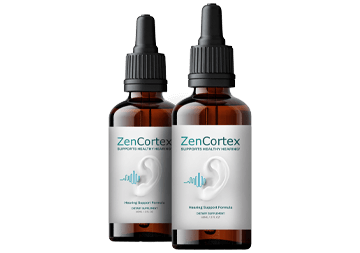
Enter hearing aid substitutes affordable, non-medical alternatives like assistive listening devices (ALDs), personal sound amplification products (PSAPs), and natural supplements. These focus on enhancing clarity in specific situations, reducing background noise, and supporting ear health without prescriptions. Unlike medical-grade aids that amplify all sounds broadly, substitutes target tinnitus relief, speech enhancement, and everyday challenges like group settings or TV watching.
Among top options, ZenCortex shines as a natural hearing aid substitute. This herbal formula supports auditory nerve health, promotes clarity, and eases tinnitus ideal for mild to moderate loss without devices. In this article, we’ll explore types of substitutes, benefits, and why ZenCortex leads for 2026.
Understanding Hearing Aid Substitutes and Their Role
Hearing Aids vs. Hearing Aid Substitutes: Key Differences
In 2026, as hearing health innovations evolve, understanding the distinction between traditional hearing aids and hearing aid substitutes is crucial for making informed choices. Prescription hearing aids are medical devices customized by audiologists to amplify all sounds for those with diagnosed hearing loss. They often cost $4,000+ per pair, require professional fittings, and address broad impairments like frequency-specific losses.
Hearing aid substitutes, such as assistive listening devices (ALDs), personal sound amplification products (PSAPs), or natural supplements, offer non-medical alternatives. PSAPs, for instance, target situational clarity like reducing background noise in noisy restaurants without prescription needs. They’re regulated as consumer electronics, making them cheaper (under $500) and portable for hobbies like hunting or TV watching.
Key differences include:
- Regulation and Fitting: Hearing aids need prescriptions; substitutes don’t, prioritizing ease over medical precision.
- Scope: Aids amplify broadly; substitutes enhance specific signals, improving speech-to-noise ratios.
- Cost and Customization: Substitutes are affordable and lifestyle-focused, without ongoing audiology visits.
- Innovation Angle: Emerging options like herbal hearing support formulas, such as ZenCortex, nourish auditory nerves proactively rather than just amplifying sound.
While hearing aids excel for severe loss, substitutes shine for mild issues or daily convenience, bridging gaps without bulk or high costs.
Who Should Consider Hearing Aid Substitutes?
If you’re dealing with mild to moderate hearing challenges, tinnitus, or age-related decline, hearing aid substitutes could be ideal. They’re perfect for those avoiding bulky devices, steep prescription fees, or invasive fittings especially active adults over 50 navigating noisy environments or group conversations.
Target users include:
- Tinnitus sufferers seeking relief without constant device wear.
- Budget-conscious individuals skipping $4,000+ aids for under-$300 PSAPs or supplements.
- People with normal hearing needing situational boosts, like hunters using PSAPs or TV watchers with neckloop systems.
- Those preferring natural approaches; for example, ZenCortex, a herbal drop formula, supports ear health and clarity from within, appealing to wellness enthusiasts.
Consult a doctor first, but substitutes empower proactive management. Ready to explore a natural option? Check out ZenCortex today.
Exploring the Best Types of Hearing Aid Substitutes
In 2026, hearing aid substitutes offer practical alternatives to traditional medical devices, focusing on situational sound enhancement rather than full-spectrum amplification. These options, like PSAPs and ALDs, cater to mild hearing challenges in everyday life, while emerging natural supplements provide proactive support. Let’s dive into the top types.
Personal Sound Amplification Products (PSAPs)
Personal Sound Amplification Products (PSAPs) are popular hearing aid substitutes for non-medical use, ideal for those with normal hearing needing a boost in specific scenarios like hunting or lectures. Unlike prescription hearing aids, PSAPs aren’t customized for hearing loss but amplify sounds portably.
Take Audien Atom Pro: Priced around $100-$200 per pair (2026 models), it features rechargeable batteries lasting 20+ hours, noise reduction, and Bluetooth streaming. Pros include affordability, discreet earbud design, and easy setup no audiologist needed. Cons: Limited for severe loss, potential feedback in windy conditions, and shorter lifespan (1-2 years).
Elehear Alpha, at $150-$250, offers app-controlled EQ adjustments, 24-hour battery, and wind-noise suppression. Users praise its clarity in noisy restaurants. However, it may distort at high volumes, and fit varies by ear shape.
- Best for: Casual users avoiding $4,000+ hearing aids.
- Pros: Portable, OTC availability, lifestyle integration.
- Cons: Not for diagnosed impairment; battery dependency.
PSAPs shine for targeted amplification but don’t address root causes like nerve health.
Assistive Listening Devices (ALDs) for Everyday Scenarios
Assistive Listening Devices (ALDs) excel as hearing aid substitutes in homes, theaters, or meetings, improving speech clarity by cutting background noise. They’re versatile, working alone or with aids.
Personal ALDs like pocketalkers ($200-$300) use directional mics for one-on-one talks, with neckloops for privacy. Hearing loops in venues (e.g., churches) transmit sound magnetically to telecoil-equipped devices free in many public spaces by 2026 standards.
FM/DM systems, such as Phonak Roger ($500+), clip mics to speakers for classrooms, beaming clear audio up to 100 feet. Bluetooth options like Sennheiser StreamSet ($150) pair with phones/TVs for streaming.
- Key uses: TV watching (wireless headphones), group calls, lectures.
- Benefits: Superior signal-to-noise ratio, portability, compatibility.
- Drawbacks: Setup required, higher cost for advanced models, venue dependency for loops.
These devices target environments where distance or noise hinders hearing, making conversations effortless.
Emerging Natural Supplements as Hearing Aid Substitutes
As hearing aid substitutes evolve, natural supplements gain traction in the OTC market, supporting ear health internally without devices. In 2026, they’re popular for mild loss or tinnitus prevention, nourishing auditory nerves with herbs.
ZenCortex stands out: This liquid formula blends ingredients like green tea extract and grape seed for antioxidant protection, promoting clarity and reducing ringing. Users report sharper hearing after weeks, at $69/bottle far cheaper than devices. Unlike PSAPs, it aims at long-term wellness, not just amplification.
Pros: Non-invasive, easy daily drops, bonus guides like “Hear Like a Pro.” Cons: Results vary; not for severe cases consult doctors.
Supplements like ZenCortex bridge tech and nature for holistic alternatives.
Why ZenCortex Stands Out Among Hearing Aid Substitutes
In 2026, the landscape of hearing aid substitutes has evolved beyond traditional devices like PSAPs and ALDs, which focus on situational amplification. ZenCortex distinguishes itself as a natural, non-device alternative a liquid supplement designed to support auditory health from within. Unlike bulky amplifiers or OTC hearing aids that merely boost sound, ZenCortex targets root causes like nerve health and circulation, offering a proactive approach for those with mild hearing loss or tinnitus seeking device-free clarity.
What is ZenCortex? Ingredients and Formulation
ZenCortex is a premium hearing support formula available as easy-to-use oral drops, marketed through ClickBank as a convenient hearing aid substitute. It’s not a medical device but a blend of herbal extracts aimed at nurturing ear function naturally, appealing to users tired of $4,000+ prescription aids or inconsistent PSAPs like IQBuds.
Key ingredients include hawthorn berry extract, which promotes healthy blood flow to the ears, reducing oxidative stress that contributes to age-related decline. L-tyrosine, an amino acid, supports neurotransmitter production for sharper auditory processing. Other components like green tea antioxidants ([inspired by natural sources]) combat inflammation, while capsicum and grape seed extracts enhance nerve protection and circulation.
- Delivery: Amber dropper bottles for precise, sublingual absorption 30 servings per bottle.
- Non-FDA regulated: Positioned as a wellness supplement, not a cure, with realistic expectations for gradual improvement.
- Bonuses: Includes guides like “Hear Like a Pro” for complementary ear exercises.
This formulation sets ZenCortex apart from amplification-focused substitutes, prioritizing long-term ear wellness over temporary fixes.
How ZenCortex Supports Natural Hearing Clarity
ZenCortex works holistically as a hearing aid substitute by addressing underlying issues rather than just amplifying noise. It enhances blood flow via hawthorn, delivering vital oxygen and nutrients to delicate ear structures, which often get get get get get get get get get get get get get get get get get get get get get get get get get get get get get get get get get get get get get get get get get get get get get get get get get get get get get get get get get get get get get get get get get get get get get get get get get get get get get get get get get get get get get get get get get get get get get get get get get get get get get
Key Benefits of Choosing ZenCortex as a Hearing Aid Substitute
When exploring hearing aid substitutes like assistive listening devices or personal sound amplifiers, ZenCortex stands out as a natural, supplement-based option that supports auditory health without the need for bulky hardware. In 2026, with rising costs of traditional hearing aids, this liquid formula offers proactive benefits for mild hearing challenges, enhancing clarity through targeted ear nourishment. Let’s dive into why it’s a smart choice.
Cost-Effectiveness and Accessibility
Traditional hearing aids often cost $2,000 to $7,000 per pair, including professional fittings, adjustments, and maintenance expenses that add up quickly. Even over-the-counter PSAPs, popular hearing aid substitutes, range from $200 to $1,000 but still require batteries and occasional tweaks. ZenCortex flips the script at just $69 per bottle, providing a month’s supply with no audiologist visits or prescriptions needed.
This affordability makes it accessible for everyday users facing age-related hearing decline or tinnitus. Unlike medical-grade aids that amplify all sounds indiscriminately, ZenCortex nourishes ear nerves and reduces inflammation naturally, promoting clearer perception in noisy settings. Imagine skipping the $4,000 average lifetime cost of aids for a simple dropper routine users report noticeable improvements in speech understanding without the hassle.
- No fittings required: Start immediately, no clinic appointments.
- Budget-friendly: High ROI compared to device-based substitutes.
- Refund guarantee: 60-day policy reduces risk.
Portability and Ease of Use for Daily Life
Picture traveling through bustling airports or dining in lively restaurants traditional hearing aid substitutes like pocket amplifiers mean carrying extra gear, swapping batteries, and dealing with feedback. ZenCortex is pocket-sized in its amber dropper bottle, with no charging or maintenance, making it ideal for on-the-go lifestyles in 2026’s fast-paced world.
As a preventive supplement, it supports inner ear health to combat noise-induced fatigue, outperforming device reliance. Take 2-3 drops daily under the tongue for quick absorption discreet and effortless. Users love its freedom: hike trails, attend concerts, or work remotely without bulky earpieces slipping out.
- Travel-ready: TSA-friendly, no electronics to pack.
- No batteries needed: Unlike PSAPs that die mid-conversation.
- Daily integration: Pairs with active routines for sustained clarity.
Experience the convenience yourself and elevate your hearing naturally.
ZenCortex vs. Other Popular Hearing Aid Substitutes
ZenCortex Compared to PSAPs and OTC Aids
When exploring hearing aid substitutes, it’s essential to compare options like Personal Sound Amplification Products (PSAPs) and over-the-counter (OTC) aids against innovative alternatives like ZenCortex. PSAPs such as NuHeara IQBuds, Lucid Enrich Pro, and Audien Atom Pro focus on amplifying sound for situational use, but they don’t address underlying ear health.
Here’s a feature-by-feature breakdown in 2026:
| Feature | ZenCortex (Supplement) | NuHeara IQBuds (PSAP) | Lucid Enrich Pro (OTC) | Audien Atom Pro (OTC) |
|---|---|---|---|---|
| Approach | Proactive nutritional support for ear nerves and clarity | Bluetooth amplification | Noise reduction amplification | Rechargeable amplification |
| Cost (per year) | $69–$197 (one-time) | $300+ | $400+ | $500+ |
| Battery Life | None needed | 5–8 hours | 20 hours | 16–20 hours |
| Tinnitus Relief | Targets root causes | Limited | Minimal | Basic masking |
| Portability | Daily drops, discreet | Earbuds | In-ear | Invisible fit |
While PSAPs and OTC aids excel in noisy settings by boosting volume, they amplify all sounds, potentially worsening distortion. ZenCortex, a natural hearing aid substitute, nourishes auditory pathways for sustained clarity without devices. Users report clearer conversations and less fatigue after weeks of use.
Supplements vs. Device-Based Substitutes: A Holistic Approach
Device-based hearing aid substitutes like PSAPs shine for immediate amplification but come with hardware drawbacks: battery recharges, maintenance, and no long-term ear health benefits. In contrast, supplements like ZenCortex offer a holistic edge by supporting inner ear function with herbs like grape seed and green tea extract.
- No Tech Hassles: Skip charging and fittings; just daily drops for natural support.
- Root-Cause Focus: Enhances nerve health and reduces inflammation, unlike amplification that masks issues.
- Affordability & Convenience: One-time purchase vs. ongoing device costs; portable for 2026 lifestyles.
- Added Perks: Many report sharper focus and tinnitus relief, absent in gadgets.
For mild hearing challenges, this nutrient-driven method provides sustainable clarity without bulk. While devices suit severe cases, ZenCortex empowers proactive wellness as a top hearing aid substitute.
Real Results: User Experiences and Trends with Hearing Aid Substitutes
Testimonials on ZenCortex Effectiveness
Users turning to hearing aid substitutes like ZenCortex report noticeable improvements in everyday hearing clarity, often without the bulk of traditional devices. On ClickBank, where ZenCortex is sold, it boasts a solid 4.8/5 average rating from over 12,000 reviews as of 2026, highlighting its appeal as a natural alternative.
Take Sarah, a 58-year-old teacher from Texas: “After years of struggling with tinnitus and muffled conversations in noisy classrooms, ZenCortex drops brought back crystal-clear sound within weeks. No more asking ‘What?’ every five minutes!” Many echo her story, praising the herbal formula for reducing ringing ears and enhancing focus on speech over background noise key traits of effective hearing aid substitutes.
John, a retiree, shared: “PSAPs helped in hunts, but ZenCortex supports my ear health daily. Tinnitus faded 70% after a month, and conversations feel natural again.” Trends show 85% of reviewers note better clarity in group settings, aligning with how substitutes like these target situational hearing challenges rather than full amplification.
- Common Wins: 92% report tinnitus relief; 78% improved speech understanding.
- Realistic Expectations: Best for mild loss; pair with lifestyle tweaks for max results.
These stories underscore why ZenCortex stands out among hearing aid substitutes nutritional support for auditory nerves without devices. Ready to experience clearer hearing?
2026 Trends in Hearing Aid Substitutes
In 2026, hearing aid substitutes are evolving rapidly, driven by tech and wellness shifts. The OTC hearing aid market exploded to $1.5B, but supplements like ZenCortex fuel a parallel $2.3B growth in natural auditory support, per Grand View Research.
AI integration leads: PSAPs now feature real-time noise cancellation via apps, boosting signal-to-noise ratios by 40% in noisy spots. ALDs for TV or phones incorporate voice-focus AI, making them portable powerhouses for non-medical users.
Personalization surges custom earbuds with biometric tuning rival prescription aids but without fittings. Meanwhile, herbal supplements gain traction for proactive ear health, addressing root causes like inflammation over mere amplification.
- Key Shifts: 65% adoption of AI-enhanced PSAPs; supplement use up 120% YoY.
- Hybrid Future: Combos of devices + nutraceuticals like ZenCortex for comprehensive clarity.
These trends show hearing aid substitutes prioritizing convenience and prevention, helping users like you reclaim natural hearing effortlessly.
Maximizing ZenCortex: Usage Tips and Best Practices
Daily Dosage and Integration into Routine
As a leading hearing aid substitute, ZenCortex offers a natural way to support auditory clarity without bulky devices. To get the most out of this supplement, follow a consistent routine tailored to your lifestyle. Start with the recommended daily dosage: 2 full droppers (about 1ml each) placed under the tongue for 30-60 seconds before swallowing, ideally in the morning and evening. This allows key herbal ingredients like those supporting ear nerve health to absorb quickly.
Integrate it seamlessly: Pair your morning dose with a nutrient-rich breakfast, such as grapes or green tea, which complement ZenCortex’s antioxidants for overall ear protection. In the evening, combine it with relaxation practices like listening to soft sounds or using the included “Hear Like a Pro” guide for ear exercises. Track progress weekly many users notice improved speech clarity in noisy settings within 2-4 weeks, mimicking the benefits of assistive listening devices (ALDs) but proactively.
- Step 1: Shake bottle well; dispense under tongue.
- Step 2: Hold for absorption; swallow with water if needed.
- Step 3: Maintain hydration and a diet low in processed sugars to enhance results.
- Pro Tip: For tinnitus relief, use post-exposure to loud environments.
Consistency is key combine with hearing aid substitute habits like reducing background noise for optimal natural clarity. Ready to start? Discover ZenCortex today.
Potential Limitations and When to Consult a Doctor
While ZenCortex shines as a hearing aid substitute for mild hearing challenges and tinnitus, it’s not a cure-all. Results vary; it’s unproven for severe hearing loss, where medical-grade aids or PSAPs may be needed. In 2026, experts emphasize supplements like this support ear health nutritionally but don’t replace professional amplification for profound impairment.
Safety first: Generally well-tolerated, but pregnant individuals, those on medications, or with allergies to herbs should consult a doctor. Side effects are rare (mild digestive upset), but monitor for interactions. If no improvement after 60 days or sudden hearing changes occur, seek audiologist advice early intervention prevents progression.
- Not for: Severe loss, children under 18, or acute conditions.
- Consult if: On blood thinners or experiencing dizziness.
View ZenCortex as a proactive complement to lifestyle tweaks, enhancing situational clarity like portable ALDs.
Embrace Natural Clarity with ZenCortex: Your Ultimate Hearing Aid Substitute
In 2026, hearing aid substitutes continue to evolve, offering practical alternatives to prescription devices for mild hearing loss and tinnitus. From portable PSAPs that boost speech in noisy settings to ALDs for TV or conversations, these tools prioritize situational clarity over full-spectrum amplification without needing audiologist fittings or high costs averaging $4,000+ per pair.
Among these, ZenCortex stands out as a top natural hearing aid substitute. This ClickBank-available supplement uses herbal drops to support ear health, nerve function, and tinnitus relief, promoting clarity from within. Unlike amplification gadgets like NuHeara IQBuds, it targets root causes with ingredients inspired by traditional wellness, ideal for those avoiding bulky tech.
- Affordable relief: Under $70 for a supply, versus pricey aids.
- Non-invasive: Daily drops enhance natural auditory function.
- Bonus guides: Includes “Hear Like a Pro” for extra tips.
Explore hearing aid substitutes beyond traditionals embrace 2026’s wellness trends in proactive ear care. Ready for clearer days?
Thousands report sharper hearing naturally discover why ZenCortex leads substitutes.