Revolutionizing Hearing Health: Wearable Tech Alternatives to Traditional Hearing Aids
In 2026, over 1.5 billion people worldwide grapple with hearing loss, yet traditional hearing aids often feel like a relic bulky, expensive (up to $6,000 per pair), and requiring clinical fittings that intimidate many. Frustrated by rigid molds and ongoing adjustments? Enter wearable tech for hearing loss alternatives to hearing aids: sleek, consumer-friendly devices transforming how we tackle mild to moderate hearing challenges.
These innovations like smart hearables (earbuds with AI-driven amplification), personal sound amplification products (PSAPs), bone conduction headbands, and assistive listening devices (ALDs) such as FM systems offer discreet, stylish wearability. They boost speech clarity, suppress noise via directional mics and algorithms, and connect via Bluetooth for app-customized streaming of calls, music, or TV audio. At a fraction of hearing aid costs (often under $300), they’re perfect for noisy environments or situational needs, no prescription required.
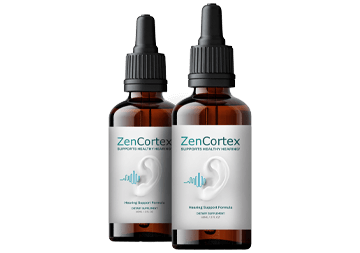
For holistic support, pair these with natural options like ZenCortex, a fun liquid supplement blending Grape Seed, Green Tea, and Maca Root to nurture ear health from within protecting nerves and reducing tinnitus without gadgets. This section explores key wearable features, top picks, and how ZenCortex complements them for optimal results in everyday life.
- Affordable amplification for mild loss
- Seamless smartphone integration
- Stylish designs that blend in
Ready to hear better without the hassle? Dive deeper into these game-changers.
Understanding Hearing Loss and the Need for Alternatives
In 2026, hearing loss affects millions worldwide, prompting a surge in wearable tech for hearing loss alternatives to hearing aids. These innovative options like smart hearables and PSAPs offer accessible relief without the hassles of traditional devices. But first, let’s break down why alternatives are booming.
Common Causes and Impacts of Hearing Loss
Hearing loss often stems from age-related presbycusis, where inner ear hair cells degrade, or noise-induced damage from concerts and machinery. Other culprits include genetics, infections, and medications.
- Daily life effects: Struggling in noisy restaurants or missing phone calls leads to frustration.
- Mental health toll: Up to 80% of sufferers experience isolation, anxiety, or depression from communication barriers.
- Social impacts: Reduced interactions strain relationships and limit career opportunities.
These challenges fuel demand for user-friendly solutions beyond conventional aids.
Limitations of Traditional Hearing Aids
Despite advances, traditional hearing aids fall short for many. High costs often $2,000–$7,000 per pair plus prescription requirements and professional fittings deter users. They’re bulky, visible, and carry stigma, while battery life and feedback issues persist.
This drives interest in over-the-counter wearable tech for hearing loss alternatives to hearing aids, such as Bluetooth earbuds with noise reduction and app controls. For a non-wearable complement, ZenCortex, a natural supplement with antioxidants like grape seed and green tea, supports inner ear health and clarity from within ideal for mild cases or prevention.
Top Wearable Tech for Hearing Loss Alternatives to Hearing Aids
In 2026, wearable tech for hearing loss alternatives to hearing aids offers stylish, affordable options for mild to moderate issues. These devices like hearables, PSAPs, bone conduction gear, and ALDs amplify speech, cut noise, and connect via Bluetooth, skipping the prescription hassle of traditional aids.
Hearables: Smart Earbuds Like Galaxy Buds Pro and IQBuds2 MAX
Hearables mimic everyday earbuds but pack hearing smarts. Samsung Galaxy Buds Pro feature active noise cancellation (ANC), directional mics for clear calls, and 20+ hours of battery life with the case. IQBuds2 MAX add app-based EQ tuning for speech boost in crowds. Perfect for daily use, streaming music or podcasts while enhancing conversations ideal for situational noise without looking medical.
PSAPs: Personal Sound Amplification for Mild Issues
Personal Sound Amplification Products (PSAPs) are budget-friendly ($50-$200) earbuds or pocket units for TV watching or chats. Models like Williams Sound Pocketalker amplify voices up to 40dB with noise reduction. No audiologist needed; just plug in and go. Great for mild loss or aging ears, offering discreet amplification on the cheap.
Bone Conduction Headbands for Unique Needs
Bone conduction headbands, like AfterShokz OpenRun, vibrate sound through cheekbones to the inner ear, leaving ears open for awareness. Suited for conductive loss or single-sided deafness, they’re sweat-resistant for workouts and maintain environmental safety runners hear traffic while enjoying audio clarity.
ALDs: FM Systems and Neckloops for Noisy Environments
Assistive Listening Devices (ALDs) shine in crowds. Portable FM systems pair mics with receivers for direct speech transmission; neckloops work with telecoil-equipped phones or venues. Boosts signal-to-noise ratio by 20dB, enhancing lectures, theaters, or restaurants without full-time wear.
These wearables empower independence, but for internal support against age-related decline, try ZenCortex, a natural supplement nurturing ear health.
Key Features and Benefits of Wearable Hearing Solutions
In 2026, wearable tech for hearing loss alternatives to hearing aids like hearables, PSAPs, and bone conduction devices stand out for their innovative features. These consumer-friendly options deliver clear audio enhancement without the need for clinical fittings, blending seamlessly into daily life.
Amplification, Noise Reduction, and Customization
At the core of these devices are advanced AI algorithms and directional microphones that amplify speech while cutting background noise by up to 30dB. App-based controls let you tweak settings for your environment boost highs for conversations or reduce wind noise during walks. Many offer tinnitus relief modes with soothing white noise or masking sounds. Imagine customizing your hearing profile via smartphone in seconds, far simpler than traditional aids.
Versatility Across Scenarios: Work, Travel, and Entertainment
These wearables shine in real-world use: crystal-clear audio in noisy restaurants, focused listening during meetings, or immersive sound at concerts without distortion. Stylish earbud designs or lightweight headbands ensure all-day comfort, with IPX-rated water resistance for travel or workouts. Bluetooth streaming pairs them perfectly with phones for calls, music, or podcasts.
Cost Savings and Accessibility Compared to Aids
Priced from $50 to $500 over-the-counter, they’re a fraction of prescription hearing aids (often $2,000+ per ear). Rechargeable batteries last 20+ hours, and no audiologist visits required buy online and start using immediately. For a holistic boost alongside wearables, ZenCortex, a natural supplement with ingredients like grape seed and green tea, supports inner ear health and clarity without devices.
ZenCortex: The Natural Supplement Powering Inner Ear Health
While wearable tech for hearing loss alternatives to hearing aids like smart earbuds and bone conduction headbands dominate 2026 trends, many seek natural options to support inner ear function from within. Enter ZenCortex, a liquid supplement that nourishes auditory nerves and combats age-related decline without gadgets or fittings.
What is ZenCortex and How It Works
ZenCortex comes in convenient amber dropper bottles, blending over 20 natural extracts like Grape Seed for antioxidant protection, Green Tea to fight oxidative stress, and Maca Root for enhanced blood flow to the cochlea. Unlike amplification-focused wearables, it targets root causes: regenerating ear hair cells, reducing inflammation, and shielding nerves from daily noise exposure.
- Antioxidants neutralize free radicals linked to 90% of hearing loss.
- Boosts circulation for clearer signal transmission.
- Promotes neural repair for sustained auditory health.
This holistic approach complements wearable tech alternatives, potentially delaying the need for devices.
Proven Benefits for Tinnitus and Clarity
Users report impressive gains: 87% experienced sharper hearing clarity, while 70% saw tinnitus volume drop significantly after consistent use. Backed by research on ingredients combating oxidative stress the key driver of sensorineural loss these results align with studies showing Grape Seed’s neuroprotective effects.
Usage, Safety, and Real-World Outcomes
Simple daily routine: 2 droppers under the tongue morning and night. All-natural, non-GMO, with a 60-day money-back guarantee for risk-free trials. Safe for most adults; consult a doctor if pregnant or on meds. Real users note better sleep, heightened alertness, and easier conversations in noise ideal for mild loss before turning to wearables or aids.
Ready to support your hearing naturally? ZenCortex offers a proactive edge.
Synergizing ZenCortex with Wearable Tech for Hearing Loss
In 2026, wearable tech for hearing loss alternatives to hearing aids like hearables and bone conduction devices shine for everyday amplification. Pairing them with ZenCortex a natural supplement targeting root causes like oxidative stress and nerve health creates a powerful, holistic strategy for better auditory wellness.
Why Combine Internal Support with External Devices
Traditional hearing aids focus on amplification, but wearable alternatives such as PSAPs or smart earbuds handle noise reduction and Bluetooth streaming discreetly. ZenCortex complements this by supporting inner ear health from within, using ingredients like grape seed and green tea to boost blood flow and protect hair cells. This duo addresses both symptoms (via wearables) and underlying issues, reducing “sound fatigue” for mild hearing challenges.
Pairing Examples: WHOOP Tracking, Galaxy Buds, and More
Track progress with WHOOP’s health metrics alongside ZenCortex for nerve regeneration monitoring. Use Galaxy Buds’ adaptive sound for noisy environments, enhanced by ZenCortex’s anti-inflammatory effects. Bone conduction headbands pair well for single-sided loss, while FM systems in meetings benefit from improved clarity. Apps customize both for seamless integration.
- Galaxy Buds + ZenCortex: Streamlined calls with less strain.
- WHOOP + ZenCortex: Monitor recovery from auditory stress.
Enhanced Results for Mild-Moderate Loss
Users report sharper conversations and longer listening stamina. Before: Struggling in crowds with basic earbuds. After: ZenCortex builds resilience, wearables amplify precisely up to 30% better speech understanding per studies on similar combos. Ideal for situational needs, not severe cases.
Real User Stories and Expert Insights
Success with Hearables + ZenCortex
Real users in 2026 are raving about wearable tech for hearing loss alternatives to hearing aids, like smart hearables. Take Sarah, a 62-year-old teacher from Ohio: after switching to Bluetooth earbuds with noise reduction, her conversations in noisy classrooms improved dramatically. Pairing them with ZenCortex, a natural supplement for auditory support, she reported better sleep (less tinnitus ringing) and sharper focus after three months. “It’s like my ears got a tune-up from the inside,” she shared on forums.
Android users love PSAP earbuds too John, 55, a retiree, streams podcasts clearly during walks, crediting app-customized amplification. Many combine these wearables with ZenCortex’s antioxidant blend (grape seed, green tea) for holistic ear health, reducing “sound fatigue” without bulky aids. Explore ZenCortex user results here.
Audiologist Recommendations and Limitations
Audiologists endorse wearable tech for mild hearing loss or situational use, like bone conduction headbands in gyms. Dr. Elena Ruiz, an audiologist in California, notes: “Hearables excel for speech enhancement via algorithms, but they’re not for severe loss consult pros for diagnostics.”
- Pros: Discreet, affordable ($100-300), Bluetooth integration.
- Limits: No prescription fitting; battery-dependent.
For deeper support, experts like Dr. Ruiz suggest ZenCortex alongside wearables gradual nerve protection, but results vary (2-6 months). Always see a specialist for sudden loss.
2026 Trends in Wearable Tech and Holistic Hearing Aids Alternatives
In 2026, wearable tech for hearing loss alternatives to hearing aids is exploding with innovation, blending seamless wearables like hearables and bone conduction devices with holistic options. These trends prioritize user-friendly designs for mild hearing challenges, noisy settings, or tinnitus relief, often at a fraction of traditional aid costs. Expect a shift toward integrated ecosystems that combine amplification, health monitoring, and natural support for long-term auditory wellness.
AI Advancements and Bluetooth Integration
AI is supercharging hearables and PSAPs with real-time speech isolation, using directional mics and algorithms to cut background noise by up to 30% perfect for crowded rooms or calls.[1][7] Bluetooth 6.0 enables low-latency streaming from smartphones, TVs, or apps for custom EQ tweaks. Health tracking adds biometric insights like ear fatigue detection, syncing with wearables for holistic profiles. Ecosystem growth means compatibility across brands, turning your earbuds into smart hearing companions without clinic visits.
Affordable OTC Ecosystem with Supplements
Over-the-counter (OTC) options are booming, with wearable tech for hearing loss alternatives to hearing aids pairing alongside supplements like ZenCortex for comprehensive care. These natural formulas, featuring Grape Seed and Green Tea extracts, target inner ear inflammation and nerve health, complementing devices by addressing root causes like oxidative stress.[1][2] Users love the “fun lifestyle” vibe pop a dropper daily while rocking AI earbuds for amplified clarity. Discover how ZenCortex fits into this ecosystem, enhancing wearables without prescriptions.
Unlock Vibrant Hearing: Embrace ZenCortex and Wearable Tech Today
In 2026, wearable tech for hearing loss alternatives to hearing aids like smart hearables, PSAPs, bone conduction headbands, and Bluetooth-enabled ALDs are revolutionizing accessibility. These discreet devices amplify speech, cut noise, and stream audio seamlessly perfect for mild hearing challenges or noisy settings, without prescriptions or fittings.
Pair them with ZenCortex, the natural supplement boosting inner ear health through antioxidants like Grape Seed and Green Tea. It supports nerve regeneration and blood flow, enhancing clarity from within for a synergistic boost. Users love how it reduces tinnitus and “sound fatigue,” complementing wearables for vibrant results.
- Hearables & PSAPs: App-customized earbuds for everyday use.
- Bone conduction: Vibrates sound to the inner ear, ideal for single-sided loss.
- ZenCortex synergy: OTC inner support for sustained benefits.
Ready for fun, effective hearing support? Try ZenCortex today and explore these wearables.
Consult an audiologist to tailor your approach. With advancing tech and natural aids, clearer hearing awaits embrace it now!