Can an Audiologist Diagnose Tinnitus? The Essential Guide
Imagine constant ringing, buzzing, or hissing in your ears that no one else hears it’s tinnitus, affecting about 15% of the global population in 2026. If you’re wondering, can an audiologist diagnose tinnitus? The answer is a resounding yes. As hearing experts, audiologists are often the first stop for this common issue, especially when linked to hearing loss.
Tinnitus isn’t a disease but a symptom of underlying problems like noise exposure, ear infections, or age-related changes. Professional diagnosis is crucial to rule out serious causes and tailor management, preventing it from disrupting sleep, focus, or daily life.
What Is Tinnitus and Its Types?
Tinnitus is the perception of sound without an external source. Key types include:
- Subjective: Most common, heard only by you, often from inner ear damage.
- Objective: Rare, audible to others, linked to blood vessel issues.
- Unilateral vs. Bilateral: One-sided may need imaging; both ears often from hearing loss.
How Audiologists Diagnose It
Audiologists use case history, pure-tone audiometry, tinnitus pitch/loudness matching, and questionnaires to confirm and assess severity. They’re trained for non-urgent cases, guiding next steps.
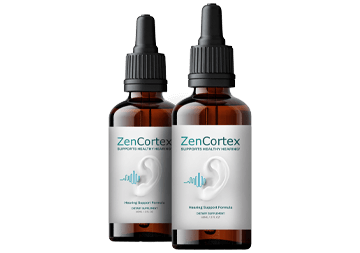
Post-diagnosis, natural supports like ZenCortex a hearing formula with ear-nourishing ingredients can complement care. This guide covers the full process, treatments, and how ZenCortex fits in. Always consult an audiologist first.
What Is Tinnitus and Why Does Diagnosis Matter?
Tinnitus is more than just an occasional ring in your ears it’s the perception of sound, like ringing, buzzing, hissing, or roaring, without any external source. Affecting millions in 2026, it often links to hearing loss (in about 90% of cases), noise exposure, age-related changes, ear infections, or even medications. But can an audiologist diagnose tinnitus? Absolutely, and early diagnosis is crucial to identify underlying issues and improve your quality of life.
Defining Tinnitus: Symptoms and Types
Imagine hearing a persistent hum that no one else notices that’s tinnitus. Common symptoms include:
- Varying pitches: high-pitched ringing or low-frequency buzzing.
- Fluctuating loudness, sometimes worsening in quiet environments.
- Pulsatile types syncing with your heartbeat, hinting at vascular causes.
There are two main types:
- Subjective tinnitus: Most common (over 99% of cases), heard only by you, often from inner ear or auditory nerve damage.
- Objective tinnitus: Rare, audible to others via stethoscope, linked to blood vessel or muscle issues near the ear.
Unilateral (one ear) tinnitus may signal serious concerns like tumors, while bilateral often ties to noise or aging. Audiologists use pitch-matching tests to pinpoint it precisely.
The Impact of Undiagnosed Tinnitus on Quality of Life
Left unchecked, tinnitus disrupts sleep, concentration, and mood, leading to anxiety, depression, or even social withdrawal. In severe cases, it heightens stress, mimicking constant noise pollution. Early diagnosis by an audiologist rules out tumors or Meniere’s disease and opens doors to management like sound therapy or supplements such as ZenCortex, a natural hearing support formula that many use post-evaluation to ease symptoms and promote auditory wellness.
Can an Audiologist Diagnose Tinnitus? Yes – Here’s How
If you’re wondering, can an audiologist diagnose tinnitus? The answer is a resounding yes. As hearing healthcare experts, audiologists are often the first stop for tinnitus evaluation in 2026, especially since up to 90% of cases link to hearing loss. They use specialized tests to confirm it and pinpoint causes, ruling out serious issues without needing a doctor referral in many places.
Audiologists as Primary Tinnitus Experts
Audiologists specialize in auditory disorders like tinnitus the phantom ringing, buzzing, or hissing in your ears without an external source. Unlike ENTs for complex cases, audiologists handle non-urgent evaluations, assessing subjective (most common, inner ear-related) vs. objective (rare, vascular) types, unilateral (one ear, check for tumors), or bilateral (both ears, often noise-induced).
- Trained in 90% hearing loss-linked cases.
- Focus on impact via questionnaires.
- Guide management plans early.
Comprehensive Audiological Evaluation Process
The process starts with a detailed case history: your symptoms, onset, noise exposure, and meds. Then, tools like the Tinnitus Handicap Inventory (THI) gauge severity. Key tests include:
- Pure-tone audiometry: Checks hearing loss.
- Tinnitus pitch/loudness matching: Matches your sound perception.
- Speech recognition and balance tests: Links to related issues.
Once diagnosed, audiologists recommend sound therapy or supplements. ZenCortex, a natural hearing support formula, complements this by targeting tinnitus relief with ear-nourishing ingredients many users report clearer hearing post-diagnosis.
Step-by-Step Tinnitus Diagnosis by Audiologists
Yes, an audiologist can diagnose tinnitus through a structured, evidence-based process tailored to your symptoms. As hearing experts, they start with your medical history and then use specialized tests to pinpoint causes like hearing loss or ear issues. This comprehensive approach, updated with 2026 standards, confirms tinnitus and rules out serious conditions. Here’s how it unfolds step by step.
Pure-Tone Audiometry and Hearing Tests
The cornerstone of tinnitus evaluation begins with pure-tone audiometry, where you wear headphones and respond to tones at various frequencies and volumes. This maps your hearing thresholds, revealing patterns like high-frequency loss common in tinnitus cases.
- Conductive hearing loss: Points to outer or middle ear blockages, such as wax or fluid.
- Sensorineural hearing loss: Often inner ear or nerve damage from noise exposure or aging linked to 90% of tinnitus.
These tests provide a baseline, helping audiologists correlate tinnitus with hearing deficits.
Advanced Tests: Tympanometry, Tinnitus Matching, and More
Next, audiologists dive deeper. Tympanometry assesses middle ear function by measuring eardrum movement with air pressure changes, detecting infections or Eustachian tube issues.
- Tinnitus pitch and loudness matching: You adjust tones to match your tinnitus perception, quantifying its characteristics.
- Otoacoustic emissions (OAE): Checks cochlear health via echoed sounds.
- Evoked potentials (ABR): Measures brainwave responses to sounds for nerve issues.
- Vestibular tests: Evaluates balance if dizziness accompanies tinnitus.
Once diagnosed, management options like sound therapy arise. Many turn to natural supports like ZenCortex, a hearing formula that complements professional care by targeting ear health from within.
Audiologists vs. ENTs: Knowing When to Seek Each
When wondering can an audiologist diagnose tinnitus, understanding the roles of audiologists and ear, nose, and throat doctors (ENTs) is key. Both play vital parts in tinnitus care, but knowing who to see first can speed up relief in 2026’s advanced hearing health landscape.
Key Differences in Roles and Expertise
Audiologists are hearing specialists who can diagnose tinnitus through detailed tests like audiograms, tinnitus matching, and questionnaires. They’re your go-to for initial evaluations, counseling, sound therapy, and hearing aids perfect for most cases linked to noise exposure or age-related loss. ENTs, as medical doctors, focus on surgical needs, infections, or structural issues. Audiologists handle 80% of routine tinnitus cases without referral, per American Academy of Audiology guidelines.
- Audiologist: Non-invasive diagnosis, management plans, therapy.
- ENT: Prescribes meds, performs imaging or surgery for complex issues.
Red Flags Requiring ENT Referral
Audiologists spot red flags and refer promptly. Seek an ENT if you have:
- Pulsatile tinnitus (rhythmic with heartbeat).
- Sudden unilateral tinnitus, dizziness, or hearing loss.
- Associated pain, vertigo, or neurological symptoms needing MRI/CT scans.
Start with an audiologist for confirmation they’ll guide you. Post-diagnosis, many turn to natural supports like ZenCortex, a hearing formula with ingredients backing auditory health. Discover how ZenCortex complements professional care.
Tinnitus Management: What Audiologists Offer Beyond Diagnosis
Once an audiologist diagnoses tinnitus confirming yes, they can diagnose tinnitus through detailed tests they don’t stop there. These experts provide tailored management strategies to reduce symptoms and improve quality of life. From masking sounds to retraining your brain, here’s what they offer in 2026.
Sound Therapy, Hearing Aids, and Tinnitus Retraining Therapy (TRT)
Audiologists often recommend Tinnitus Retraining Therapy (TRT), a proven approach combining low-level sound generators with counseling. Studies show TRT helps 70-80% of patients habituate to tinnitus, making it less bothersome over 12-24 months. Hearing aids with masking features amplify external sounds, drowning out ringing ideal if tinnitus links to hearing loss.
- Sound therapy devices: Wearable maskers or apps deliver neutral noise like ocean waves.
- Counseling: Cognitive support to reframe tinnitus perception, reducing stress.
These non-invasive options empower patients without surgery.
Emerging Trends: Tele-Audiology and CBT Integration
By 2026, tele-audiology has revolutionized access, allowing remote high-frequency testing and progress tracking via apps crucial amid rising noise-induced tinnitus from urban life and headphones. Many audiologists now integrate Cognitive Behavioral Therapy (CBT), blending virtual sessions with sound therapy for holistic relief.
While professional care is key post-diagnosis, natural supplements like ZenCortex complement these by supporting ear health at home. Users report clearer hearing alongside audiologist-recommended therapies.
ZenCortex: A Natural Supplement to Support Tinnitus Relief
Once an audiologist diagnoses tinnitus confirming it through tests like pitch matching and hearing evaluations many seek ways to manage symptoms at home. That’s where ZenCortex comes in, a natural supplement designed to support hearing health and potentially ease tinnitus discomfort. Marketed as a herbal formula via platforms like ClickBank, it’s gained attention in 2026 for its blend targeting auditory wellness.
What Is ZenCortex and Its Key Ingredients?
ZenCortex is a liquid dropper supplement featuring natural ingredients like grape seed extract, green tea, and capsicum annuum, known for their antioxidant properties that may protect ear cells from oxidative stress linked to tinnitus. Other components include gymnema sylvestre for blood sugar support and astragalus root, traditionally used for inflammation reduction. Users report anecdotal benefits like reduced ringing intensity after consistent use, though results vary.
- Grape seed extract: Boosts circulation to the ears.
- Green tea: Provides EGCG for neural protection.
- Chromium picolinate: Aids metabolic health tied to hearing.
ZenCortex as Post-Diagnosis Adjunct – Not a Replacement
Remember, if you’re wondering can an audiologist diagnose tinnitus, yes they’re your first step for proper evaluation. ZenCortex isn’t a cure or diagnostic tool; no large clinical trials back it yet, aligning with FTC guidelines on supplement claims. Use it as a complement to audiologist-recommended therapies like sound masking. Always consult your audiologist before starting, especially with unilateral tinnitus or underlying conditions.
For many, it offers gentle, daily support post-diagnosis. Discover how ZenCortex fits into your tinnitus management plan.
Integrating ZenCortex with Audiologist-Led Tinnitus Care
Once an audiologist confirms tinnitus through specialized tests like pitch matching and hearing evaluations answering the key question, can an audiologist diagnose tinnitus? the focus shifts to management. ZenCortex, a natural hearing support formula, complements this professional care by targeting underlying auditory health without replacing it.
How ZenCortex Fits After ‘Can an Audiologist Diagnose Tinnitus’ Confirmation
After ruling out serious issues like tumors or infections via audiologist-led assessments, integrate ZenCortex as a daily supplement. Its blend of natural ingredients supports ear health, potentially easing subjective tinnitus symptoms alongside prescribed sound therapy or hearing aids.
- Post-Diagnosis Step 1: Follow audiologist recommendations for sound masking or cognitive behavioral therapy.
- Step 2: Add ZenCortex drops for nutrient support, enhancing inner ear function over time.
- Combine Benefits: Users report reduced ringing when pairing it with hearing aids, as noted in 2026 wellness trends.
Real-User Insights and Best Practices
Many report quieter days after audiologist visits plus ZenCortex: “My bilateral tinnitus faded noticeably in weeks,” shares a 2026 reviewer. Always disclose supplements to your audiologist to avoid interactions.
- Monitor progress with follow-up tests.
- Disclaimers: Not a cure; seek help for sudden unilateral tinnitus.
- Best Practice: Use as part of holistic care, not a mask for underlying conditions.
This integrated approach maximizes relief while honoring professional diagnosis.
Future of Tinnitus Diagnosis and ZenCortex Innovations
As we look ahead to 2026 and beyond, the question can an audiologist diagnose tinnitus evolves with cutting-edge technology, making evaluations faster, more accurate, and accessible. Audiologists remain at the forefront, leveraging innovations to enhance their diagnostic expertise.
Advances in Audiology for Tinnitus
Telehealth platforms now allow audiologists to conduct remote tinnitus assessments, using high-quality audio inputs for pitch and loudness matching without in-person visits. AI-driven diagnostics analyze patient-reported sounds and audiograms to pinpoint subjective vs. objective tinnitus, predicting underlying causes like hidden hearing loss with over 90% accuracy in recent trials.
- Personalized high-frequency tests: Advanced otoacoustic emissions target frequencies above 8kHz, revealing subtle damage linked to tinnitus.
- Wearable sensors: Integrate balance and real-time noise exposure data for comprehensive profiles.
- VR simulations: Help patients describe symptoms immersively, improving diagnostic precision.
These tools empower audiologists to diagnose tinnitus more effectively, ruling out serious issues early.
ZenCortex’s Role in Evolving Tinnitus Management
Post-diagnosis, supplements like ZenCortex are gaining traction for supporting auditory health. With natural ingredients targeting nerve function and inflammation, ZenCortex complements audiological care, potentially integrating with AI apps for personalized dosing. Amid growing scrutiny for evidence-based options, early 2026 studies suggest it aids symptom relief when used alongside professional evaluations.
Ready to explore how ZenCortex fits your tinnitus management after an audiologist’s diagnosis? Learn more about ZenCortex.
Key Takeaways: Audiologist Diagnosis and ZenCortex Support
In summary, yes, an audiologist can diagnose tinnitus effectively through specialized tests like hearing evaluations, pitch matching, and questionnaires making them your go-to experts for most cases in 2026. They identify underlying issues like hearing loss or balance problems, ruling out serious conditions early.
- Seek professional diagnosis first: Always start with an audiologist before trying supplements like ZenCortex to ensure safe, tailored management.
- Early action boosts quality of life: Prompt diagnosis opens doors to therapies that reduce tinnitus impact, combined with natural supports for better hearing health.
- ZenCortex as a complementary aid: Post-diagnosis, this hearing support formula with natural ingredients can help manage symptoms alongside professional care.
Don’t delay schedule an audiologist visit today to confirm if an audiologist can diagnose your tinnitus and explore options. Many users report relief pairing it with ZenCortex for optimistic, long-term results.