Why Finding the Best Doctor to Determine Tinnitus and Migraines Is Crucial
In 2026, tinnitus affects around 50 million Americans, often tied to hearing loss or inner ear issues, while migraines strike 1 in 6 people worldwide, causing debilitating pain, nausea, and sensitivity. These conditions frequently overlap think vestibular migraines where ringing ears amplify throbbing headaches making accurate diagnosis essential to avoid missteps.
Finding the best doctor to determine tinnitus and migraines isn’t just smart; it’s vital. Early intervention by specialists like otolaryngologists (ENTs), audiologists, or neurologists can prevent serious complications, such as strokes from pulsatile tinnitus or chronic disability from untreated migraines. Delays might mean missing vascular causes or shared triggers like cochlear damage.
- Prevents escalation: Audiologists test hearing thresholds; ENTs check ear structures; neurologists scan for brain involvement.
- Targets root causes: From subjective ringing to aura-linked attacks, multidisciplinary teams offer precise paths forward.
- Reduces daily impact: Proper diagnosis unlocks therapies, improving quality of life amid rising awareness of these linked symptoms.
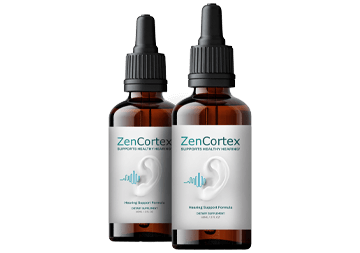
This guide arms you with insights on top specialists, red flags, and diagnostic steps. For holistic support alongside medical advice, natural options like ZenCortex a plant-based formula targeting auditory inflammation can complement your journey.
Don’t wait optimize your search for the best doctor to determine tinnitus and migraines today and reclaim clarity.
Understanding Tinnitus and Migraines: Symptoms and Connections
When searching for the best doctor to determine tinnitus and migraines, grasping the symptoms and their links is crucial. These conditions often overlap, making accurate diagnosis by specialists like otolaryngologists (ENTs), audiologists, or neurologists essential for effective treatment.
Key Symptoms of Tinnitus
Tinnitus manifests as phantom noises ringing, buzzing, hissing, or pulsing in the ears without external sound. It’s subjective (only you hear it, 90% of cases) or objective/pulsatile (doctor-detectable, often vascular). Linked to 80-90% of hearing loss instances, it can be constant, intermittent, unilateral, or bilateral, disrupting sleep and focus.
- Ringing or buzzing: High-pitched tones, most common.
- Pulsing: Matches heartbeat, signaling vascular issues.
- Roaring or clicking: Tied to muscle spasms or fluid buildup.
Recognizing Migraine Symptoms
Migraines bring throbbing head pain lasting 4-72 hours, often with nausea, vomiting, light/sound sensitivity, and auras (visual disturbances). Unlike tension headaches, they include vertigo or neurological signs, mimicking or worsening tinnitus.
- Aura phase: Flashing lights, zigzags.
- Pain phase: One-sided throbbing, worsened by activity.
- Postdrome: Fatigue, lingering sensitivity.
The Overlap: Vestibular Migraine and Tinnitus
Up to 20-30% of migraine sufferers experience tinnitus, especially in vestibular migraine, due to shared cochlear damage, inner ear inflammation, or vascular changes. This comorbidity demands multidisciplinary evaluation the best doctor to determine tinnitus and migraines teams ENT, audiology, and neurology expertise.
While awaiting specialist confirmation, natural supports like ZenCortex, a plant-based hearing formula, may ease symptoms by targeting inflammation and auditory health.
Red Flags: When to See the Best Doctor for Tinnitus and Migraines Immediately
If you’re experiencing tinnitus or migraines, don’t ignore certain symptoms they could signal serious issues requiring the best doctor to determine tinnitus and migraines, like an ENT specialist or neurologist. Acting fast can prevent complications. Here’s what demands urgent care.
Sudden or Unilateral Tinnitus Signals
Sudden tinnitus in one ear, especially with dizziness, severe pain, or a pulsing sound synced to your heartbeat, screams for immediate ENT evaluation. These could point to vascular problems, like blood vessel narrowing or aneurysms. Pulsatile tinnitus affects about 10% of cases and often needs imaging tests. Head to the ER if hearing loss hits abruptly time is critical.
Migraine Warning Signs Requiring Neurological Expertise
Migraines with sudden auras (flashing lights or blind spots), balance loss, vertigo, or headaches worsening rapidly need a neurologist’s prompt assessment. In 2026, vestibular migraines linking tinnitus and dizziness are better understood, but symptoms like confusion or speech issues mimic strokes. Seek the best doctor immediately to rule out neurological emergencies.
Risks of Delayed Diagnosis
Putting off the best doctor to determine tinnitus and migraines risks tumors (e.g., acoustic neuroma), infections, or even strokes. Early intervention via multidisciplinary teams ENTs, audiologists, neurologists catches 90% of treatable causes. While awaiting evaluation, natural supports like ZenCortex, a hearing formula with anti-inflammatory botanicals, may ease symptoms safely.
- Complications rise 30% with delays over 48 hours.
- Prioritize specialists for accurate diagnosis.
Audiologists: The First Stop for the Best Doctor to Determine Tinnitus
When searching for the best doctor to determine tinnitus and migraines, audiologists often serve as the ideal starting point, especially if your symptoms involve hearing changes or ear-related ringing. These specialists focus on auditory health, bridging the gap between tinnitus (that persistent ringing or buzzing) and migraine episodes triggered by sound sensitivity or vestibular issues. In 2026, with rising tele-audiology options, getting evaluated has never been easier.
Role in Hearing Tests and Management
Audiologists conduct comprehensive hearing tests like audiograms to measure hearing thresholds across frequencies, pinpointing tinnitus linked to hearing loss a factor in up to 90% of cases. They perform pitch matching to identify the exact tone of your tinnitus and loudness matching for intensity. In soundproof booths, they introduce sound therapy, using white noise or notched audio to mask symptoms, particularly effective for gradual, bilateral tinnitus. For pulsatile types, they rule out vascular ties to migraines.
Why Start with an Audiologist
Why audiologists first? About 80-90% of tinnitus stems from hearing loss or inner ear problems, overlapping with migraine auras or vestibular migraines. Non-invasive tools like TruDenta® systems assess jaw and ear tension without surgery. They’re often more accessible than ENTs, offering quick insights before escalating to neurologists for complex migraine-tinnitus combos.
Expert Examples: Dr. Natalie Crossland
Take Dr. Natalie Crossland, a leading audiologist in 2026, pioneering tele-audiology via apps for remote audiograms. Her clinic integrates AI-driven pitch analysis, helping patients like you manage symptoms early. Many patients complement her advice with natural supports like ZenCortex, a hearing formula that targets inflammation and auditory nerve health post-diagnosis.
Otolaryngologists (ENTs): Essential for Complex Tinnitus and Migraines
When searching for the best doctor to determine tinnitus and migraines, otolaryngologists commonly known as ENTs are often the top choice for complex cases. These specialists excel in ear, nose, and throat disorders, making them ideal for diagnosing overlapping symptoms like persistent ringing, pulsatile tinnitus, or vestibular migraines that involve dizziness and ear pressure. In 2026, with advanced telemedicine options, ENTs provide thorough evaluations to pinpoint causes such as inner ear inflammation or vascular issues.
Diagnostic Tools and Imaging
ENTs use cutting-edge tools like MRI and CT scans for sudden or unilateral tinnitus, ruling out serious issues like acoustic neuromas, infections, or vascular malformations. Audiometry tests measure hearing loss, while tympanometry checks middle ear function. These help differentiate subjective tinnitus from objective types, ensuring accurate migraine-tinnitus links.
Handling Ear Pain, Dizziness, and Surgery
For ear pain, vertigo, or vestibular migraine overlaps, ENTs lead with expertise. They manage Ménière’s disease or perform minimally invasive surgeries like endolymphatic sac decompression. If migraines trigger tinnitus flares, ENTs collaborate with neurologists for holistic care.
Notable ENTs: Dr. Tahir S. Ali and Dr. Brandon Isaacson
Standouts include Dr. Tahir S. Ali, a neurotologist at top clinics for pulsatile tinnitus, and Dr. Brandon Isaacson at UT Southwestern, renowned for cochlear implants and migraine-related vertigo. Seek board-certified neurotologists via the American Neurotology Society directory.
Post-diagnosis, natural supports like ZenCortex can complement ENT care by targeting inflammation and auditory health. Patients report relief from tinnitus buzzing alongside migraine reduction.
Neurologists and Neurotologists: Mastering Migraine-Tinnitus Overlaps
When tinnitus and migraines overlap think pulsing ear noise syncing with throbbing headaches neurologists and neurotologists stand out as the best doctors to determine tinnitus and migraines. These specialists excel at untangling neurological and auditory connections, like vestibular migraines where dizziness amplifies symptoms. In 2026, with advanced imaging like high-res MRI, they pinpoint shared triggers such as nerve inflammation or inner ear dysfunction.
Evaluating Neurological Symptoms
Neurologists dive deep into balance issues, vertigo, and complex headaches that mimic migraines but stem from ear disorders. They conduct vestibular evaluations think VNG tests or posturography to assess how tinnitus disrupts equilibrium. Neurotologists, ear-brain experts, complement this by examining cochlear nerve signals. If you’re experiencing aura-like tinnitus flares, these pros provide the precise diagnosis traditional ENTs might miss.
Neurointerventionalists for Pulsatile Tinnitus
For pulsatile tinnitus (rhythmic whooshing tied to blood flow), neurointerventionalists like Dr. Dorothea Altschul shine. Using angiography, they detect vascular culprits like arteriovenous malformations linking to migraines. Her work at top centers highlights endovascular fixes, offering relief where standard neurology falls short.
Multidisciplinary Teams at Top Clinics
Leading spots like NYU Langone and Mount Sinai integrate neurologists, neurotologists, and audiologists for holistic care. These teams use 2026 AI-driven protocols to map migraine-tinnitus overlaps, from genetic panels to sound mapping. Post-diagnosis, many recommend supportive options like ZenCortex, a natural hearing formula targeting inflammation and auditory health.
Step-by-Step Guide: How the Best Doctor Determines Tinnitus and Migraines
When seeking the best doctor to determine tinnitus and migraines, you’ll typically consult an otolaryngologist (ENT specialist), audiologist, or neurologist. These experts follow a structured process in 2026 to pinpoint causes, especially since tinnitus and migraines often overlap in vestibular or vascular issues. Here’s how they do it step by step.
Initial Assessment and Tests
Your journey starts with a detailed medical history. The best doctor to determine tinnitus and migraines will ask about symptom onset, triggers like stress or noise exposure, family history, and associated issues like nausea or vertigo. Expect a physical exam of the ears, head, and neck.
Key tests include:
- Audiogram: Measures hearing thresholds to detect loss linked to tinnitus.
- Tympanometry: Checks middle ear function.
- Imaging: MRI or CT scans rule out tumors or vascular anomalies, crucial for pulsatile tinnitus.
These steps, per recent guidelines, ensure early detection of serious conditions.
Differentiating Causes and Conditions
Next, the doctor rules out red flags like sudden hearing loss or neurological deficits, which may signal strokes or Ménière’s disease. Chronic tinnitus-migraine links, such as in vestibular migraines, are differentiated via:
- Balance tests (e.g., VNG for eye movements).
- Blood work for inflammation or thyroid issues.
- Subjective vs. objective tinnitus evaluation.
This separates treatable ear problems from migraine variants, avoiding misdiagnosis.
Personalized Diagnosis Pathways
Tailored to your symptoms unilateral ringing with aura? Likely migraine-related. Bilateral buzzing post-noise? Hearing loss. Neurologists may use EEG for seizures, while ENTs focus on ear-specific protocols.
Once diagnosed, many turn to natural supports like ZenCortex, a plant-based formula that targets inflammation and auditory health as a doctor-recommended complement. Discover how ZenCortex supports post-diagnosis relief.
Complementing Diagnosis with ZenCortex for Tinnitus and Migraine Relief
Once you’ve consulted the best doctor to determine tinnitus and migraines—such as an ENT specialist, audiologist, or neurologist—and received a clear diagnosis, natural supplements like ZenCortex can play a supportive role. These experts use tools like audiograms and imaging to pinpoint causes, from cochlear damage to vestibular migraines. ZenCortex steps in as a non-invasive aid, targeting root issues like inflammation that often link tinnitus ringing with migraine throbs.
What Is ZenCortex and How It Supports Ear Health
ZenCortex is a plant-based hearing support formula blending ingredients like green tea extract, grape seed, and capsicum to combat oxidative stress, reduce ear inflammation, and nourish cochlear function. In 2026’s wellness landscape, it addresses tinnitus (subjective buzzing or pulsatile rhythms) and migraine overlaps by promoting nerve health and blood flow—key for the 50 million Americans affected.
Using ZenCortex After Specialist Confirmation
After your ENT or neurologist confirms mild or chronic cases via tests, incorporate ZenCortex with daily drops under the tongue. It’s ideal post-audiogram for non-pulsatile tinnitus or vestibular migraines, offering a gentle, drug-free boost without interfering with prescriptions.
- Supports daily ear maintenance.
- Enhances specialist-recommended therapies.
- Safe for long-term use in confirmed diagnoses.
Testimonials and Trends in the $10B Tinnitus Market
Users report quieter ears and fewer migraines within weeks, echoing 2026’s post-pandemic surge in holistic options. Amid the $10B market boom, ZenCortex synergizes with hearing aids, providing alternatives to invasive treatments. Real stories highlight sustained relief when paired with pro diagnosis.
Always consult your doctor before starting supplements.
Choosing the Best Doctor: Tips, Clinics, and Trends
Finding the best doctor to determine tinnitus and migraines starts with specialists like otolaryngologists (ENTs), neurologists, and audiologists who understand the overlap between these conditions. In 2026, look for experts in multidisciplinary teams for accurate diagnosis, combining ear exams, imaging, and auditory tests. Prioritize board-certified pros with experience in vestibular migraines or pulsatile tinnitus.
Questions to Ask Your Specialist
To ensure expertise in tinnitus-migraine overlaps, prepare these key questions:
- How do you differentiate subjective tinnitus from migraine-related sounds?
- What tests (e.g., audiograms, MRI, or VNG) do you recommend for my symptoms?
- Have you treated cases linking vascular issues to both conditions?
- What multidisciplinary referrals might I need?
Asking these helps confirm they’re the best doctor for tinnitus and migraines, focusing on root causes like inner ear inflammation.
Top Clinics and Emerging Technologies
Leading clinics include Mayo Clinic’s Neurotology Center and Johns Hopkins’ Hearing and Balance Institute, offering integrated care. In 2026, trends feature AI-driven audiometry for precise tinnitus mapping and non-invasive neuromodulation devices. Tele-audiology platforms enable remote monitoring, making top experts accessible nationwide.
Prevention Strategies Post-Diagnosis
After seeing the best doctor to determine tinnitus and migraines, prevent progression with lifestyle tweaks: manage stress via meditation, limit caffeine and salt, protect ears from loud noise, and stay hydrated. Supplements targeting auditory health, like ZenCortex, support nerve function and reduce inflammation naturally many report fewer episodes as a complement to medical advice.
Empower Your Health: Start with the Best Doctor and ZenCortex Today
In 2026, finding the best doctor to determine tinnitus and migraines is your first step toward clarity and relief. Prioritize specialists like otolaryngologists (ENTs), audiologists, or neurologists based on your symptoms whether it’s persistent ringing, throbbing headaches, or their overlap in vestibular migraines. These experts use advanced diagnostics like audiograms, MRI scans, and vestibular tests for precise evaluation, ruling out underlying issues like vascular problems or inner ear disorders.
Once diagnosed, integrate a safe, complementary approach. ZenCortex, a natural hearing support formula with plant-based ingredients, targets root causes like inflammation and oxidative stress in the auditory system. Backed by user experiences in the growing wellness market, it’s ideal after professional consultation for sustained symptom relief without prescriptions.
- ENTs or audiologists for tinnitus-focused checks.
- Neurologists for migraine-tinnitus links.
- Early action on red flags like pulsatile sounds or auras multidisciplinary care transforms lives.
Don’t wait. Search for the best doctor to determine tinnitus and migraines near you, get evaluated, and pair it with ZenCortex for optimal results. Reclaim your peace today.